Top laser moving light Manufacturers and Suppliers in us
- How Laser Moving Lights Work
- Key components of a laser moving light
- Laser vs. LED moving heads
- Control, protocols and show integration
- Top Manufacturers and Suppliers in the US Market
- Elation Professional
- Chauvet DJ and American DJ (ADJ)
- High-end concert and theatre suppliers: Martin, Robe, Claypaky
- Laser specialists and controllers: Pangolin, Laserworld, Kvant
- Guangzhou AO MEI DI (AOMEIDI) — Manufacturer profile
- Choosing the Right Laser Moving Light
- Venue type, throw distance and beam requirements
- Safety classification and operator requirements
- Control, integration and show content
- Industry Trends, Standards and Buying Considerations
- Trends: hybrid fixtures and compact power
- Standards, safety and venue compliance
- Sustainability and total cost of ownership
- Comparison of Top Manufacturers and Suppliers
- Frequently Asked Questions (常见问题解答)
- 1. What is the difference between a laser moving light and a regular moving head?
- 2. Are laser moving lights safe for audience scanning?
- 3. How do I choose between a diode laser and solid-state module?
- 4. What control protocols should I expect?
- 5. Can rental companies mix lasers from different manufacturers in the same show?
- Conclusion
This article maps the US market for laser moving light solutions — from moving-head laser projectors and hybrid beam/laser fixtures to controllers and safety compliance — so lighting designers, rental houses, AV buyers and venue managers can quickly evaluate top suppliers, compare strengths, and select systems that meet performance, safety and budget needs for concerts, broadcast, corporate events and installations.
How Laser Moving Lights Work
Key components of a laser moving light
A laser moving light (often called a moving-head laser or laser moving head) combines a laser source (single- or multi-wavelength), beam optics (lenses and scanners), motion mechanics (pan/tilt yoke) and control electronics. High-speed galvanometer scanners or MEMS devices steer the beam to create patterns, graphics and aerial effects. Many modern units integrate color mixing (RGB/diode arrays) and diffraction optics for complex aerial shows.
Laser vs. LED moving heads
Laser moving lights deliver highly coherent, long-throw beams and razor-sharp aerial graphics that LED fixtures generally cannot match. LEDs excel at wash and pixel effects with broader beam angles and safer diffuse light. For arena-style beams, long-throw clubs, and visible laser graphics, laser moving heads or hybrid fixtures are the preferred choice. When specifying, evaluate beam divergence (mrad), output power (expressed per wavelength/color), and scanner speed.
Control, protocols and show integration
Laser moving lights are controlled via DMX, Art-Net, sACN, and for laser-specific effects ILDA-compatible interfaces and software (e.g., Pangolin) are common. Professional systems separate laser pattern/content from motion DMX channels, and many installations use a dedicated laser controller to manage scan safety, show cues and synchronization with video or media servers.
Top Manufacturers and Suppliers in the US Market
Elation Professional
Elation Professional is a prominent supplier and manufacturer with a strong US presence and distribution network. They offer a broad line of moving heads, hybrid beam fixtures and laser products targeted at rental companies, theatres and touring productions. Elation is known for professional-grade control integration, competitive pricing, and good after-sales support across North America. For details see their official site: https://www.elationlighting.com/.
Chauvet DJ and American DJ (ADJ)
Chauvet DJ and ADJ are US-based brands that supply a wide span of lighting products including entry-to-mid-level lasers and moving heads aimed at clubs, DJs and event rental markets. Their strength is accessibility and value for budget-conscious buyers who need reliable laser effects combined with simple DMX control. See Chauvet DJ and ADJ.
High-end concert and theatre suppliers: Martin, Robe, Claypaky
Major international players such as Martin (HARMAN), Robe and Claypaky supply the US touring and pro-theatre markets through distributors. These brands focus on powerful moving heads, hybrid fixtures and precision optics. While they are not always laser-only manufacturers, their product lines often include hybrid beam fixtures and accessories compatible with laser systems. Visit Martin, Robe, and Claypaky for specs and dealer contacts.
Laser specialists and controllers: Pangolin, Laserworld, Kvant
For laser-specific hardware and show control, companies such as Pangolin (laser control software and systems), Laserworld and Kvant (specialized laser projectors) are important suppliers in the US market. Pangolin is widely used by venues and rental houses for ILDA-compliant show control and safety features. See Pangolin, Laserworld, and Kvant.
Guangzhou AO MEI DI (AOMEIDI) — Manufacturer profile
Guangzhou AO MEI DI Stage Lighting Equipment Co., Ltd. (AOMEIDI), founded in 2006, is a national high-tech enterprise focused on R&D, manufacturing and engineering services for intelligent stage lighting and urban illumination. Their product range includes moving head lights, LED PAR lights, effect lights, waterproof lights, laser lights, follow spots and stage effect machines. With OEM experience and projects such as the 2008 Beijing Olympic Cycling Stadium and 2010 Shanghai World Expo Macau Pavilion, AOMEIDI serves pro productions and exports globally. For full company details see AOMEIDI or contact sales at [email protected].
Choosing the Right Laser Moving Light
Venue type, throw distance and beam requirements
Before purchasing, evaluate venue size (club vs arena vs outdoor festival). Laser moving lights are specified by beam divergence (mrad) and output class; lower divergence yields tighter long-throw beams for stadiums, while wider beams are acceptable for clubs. Consider haze or fog — lasers show better in atmospheres with particulate matter, which enhances beam visibility. Rental companies often stock a mix of short-throw and long-throw units to handle different bookings.
Safety classification and operator requirements
Lasers are regulated for public use. In the United States, regulatory oversight for some radiation-emitting products is available from the U.S. Food and Drug Administration (FDA) and laser safety is governed by standards such as IEC 60825. Venues and operators must follow local ordinances and maintain laser safety officers (LSOs) for higher-risk shows. For regulatory context see the FDA's laser product resource: FDA: Laser products and background on laser safety: Laser safety (Wikipedia).
Control, integration and show content
Choose fixtures that integrate with your existing control infrastructure. DMX512 remains the baseline; Art-Net and sACN are common for networked shows. For detailed laser graphics and ILDA content, use dedicated laser control software and ensure fixture compatibility. For touring rigs, select fixtures with consistent pixel mapping and firmware update paths to simplify patching and show replication across venues.
Industry Trends, Standards and Buying Considerations
Trends: hybrid fixtures and compact power
The market trend is toward hybrid moving fixtures that combine LED/white light, beam/spot outputs and integrated laser modules to give lighting designers a versatile toolset with fewer fixtures. Solid-state laser diodes have improved reliability and reduced cooling needs, enabling smaller housings and lower maintenance compared to older gas lasers.
Standards, safety and venue compliance
Compliance with IEC and local standards is critical for public performances. Venues and suppliers should maintain documentation for laser classification, risk assessment, audience scan permissions, and operator training. Many jurisdictions require a formal risk assessment and an appointed laser safety officer for shows that perform audience scanning or deploy higher-powered lasers.
Sustainability and total cost of ownership
Evaluate lifetime costs — diode-based lasers typically offer longer MTBF (mean time between failures) and lower power consumption than legacy laser tubes. Consider maintenance contracts, spare parts availability in the US, and manufacturer support networks when choosing a supplier.
Comparison of Top Manufacturers and Suppliers
| Manufacturer / Supplier | US Presence | Product Focus | Strengths |
|---|---|---|---|
| Elation Professional | Strong US distribution | Moving heads, hybrid fixtures, lasers | Pro-level features, dealer network, good support |
| Chauvet DJ / ADJ | US-based | Entry to mid-level lasers, moving heads | Value-oriented, widespread availability |
| Martin (HARMAN), Robe, Claypaky | Distributor/dealer networks in US | High-performance moving heads, hybrid fixtures | Concert/theatre-grade optics and output |
| Pangolin, Laserworld, Kvant | US distribution and resellers | Laser projectors, controllers, show systems | Advanced control, ILDA support, specialist optics |
| Guangzhou AO MEI DI (AOMEIDI) | Export to US market via distributors/OEM | Moving head lights, laser lights, LED fixtures | OEM experience, diverse product range, engineering support |
Frequently Asked Questions (常见问题解答)
1. What is the difference between a laser moving light and a regular moving head?
Laser moving lights use coherent laser sources and scanners to produce tight beams, aerial graphics and fast-moving patterns, while regular moving heads typically use lamps or LEDs for wash, spot and beam effects. Lasers are ideal for long-throw beams and graphic projection; moving heads are better for broad beams, gobos and general illumination.
2. Are laser moving lights safe for audience scanning?
Audience scanning with lasers requires trained operators, a documented risk assessment, compliance with local rules, and often a designated Laser Safety Officer. Safety depends on laser class, power, scanning speed and divergence. Consult standards such as IEC 60825 and local regulations; see FDA laser product guidance: FDA: Laser products.
3. How do I choose between a diode laser and solid-state module?
Most modern show lasers use diode pumping or solid-state diode modules for better efficiency and reliability. Choose based on required output, beam quality, expected runtime and maintenance preferences. Diode-based systems typically offer lower operating costs and easier serviceability.
4. What control protocols should I expect?
Standard protocols include DMX512 for basic control and Art-Net/sACN for networked lighting. For complex laser graphics, ILDA interfaces and dedicated laser controllers (e.g., Pangolin) are common. Ensure fixtures support the protocols your studio or venue uses.
5. Can rental companies mix lasers from different manufacturers in the same show?
Yes, but consistent control mapping and safety interlocks are important. Use a single primary show control system and test patching in advance. Verify scan safety parameters and firmware compatibility before integrating equipment from multiple vendors.
Conclusion
Selecting the right laser moving light in the US market depends on venue type, desired beam/graphic performance, regulatory compliance, and support availability. Established suppliers such as Elation, Chauvet, ADJ, Martin, Robe and specialist laser companies (Pangolin, Laserworld, Kvant) each serve different segments from entry-level club installations to high-end touring rigs. OEM manufacturers like Guangzhou AO MEI DI (AOMEIDI) provide broad product ranges and engineering support for customized solutions. Always prioritize safety compliance (IEC/FDA guidance), operator training and reliable local support when procuring laser moving lights.
For tailored recommendations and quotes, contact our sales team at [email protected] or visit https://www.aomeidilighting.com/.
Contact us today to discuss laser moving light solutions for your next show.
Top 5 LED Video Panel Light Company List and Products Compared
Top 10 LED Video Panel Light Manufacturers and Supplier Brands in China
Top moving heads lighting Manufacturers and Suppliers in us
Top moving head lights dj Manufacturers and Suppliers in us
Products
What about order lead time?
What's the difference between AOMEIDI's products and others?
Is your product quality guaranteed? How can you ensure it?
Yes, we have professional quality inspectors to check the products to ensure good quality before shipment. And we provide a one-year warranty on all of our products and good after-sales service.
Customized services
What do customers need to prepare for customization?
After-Sales services
How about the warranty?
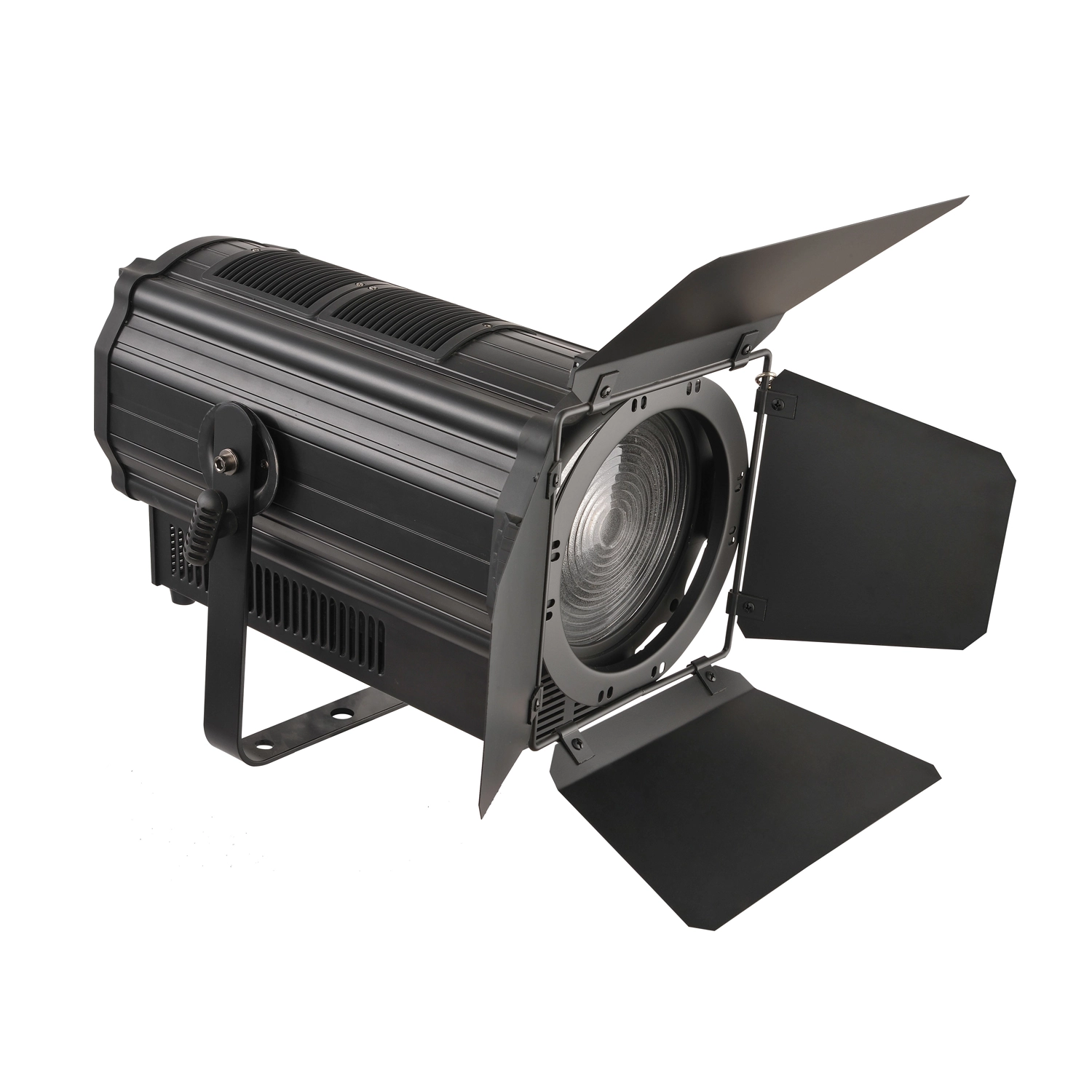
300W RGBAL 5in1 Electronic Fresnel Focusing Spotlight
This Focusing Spotlight adopts a 300W bright LED, high CRI, and quality Fresnel glass lens, delivering a pure and soft color wash with useful RGBAL 5-in-1 color and rich application scenarios.
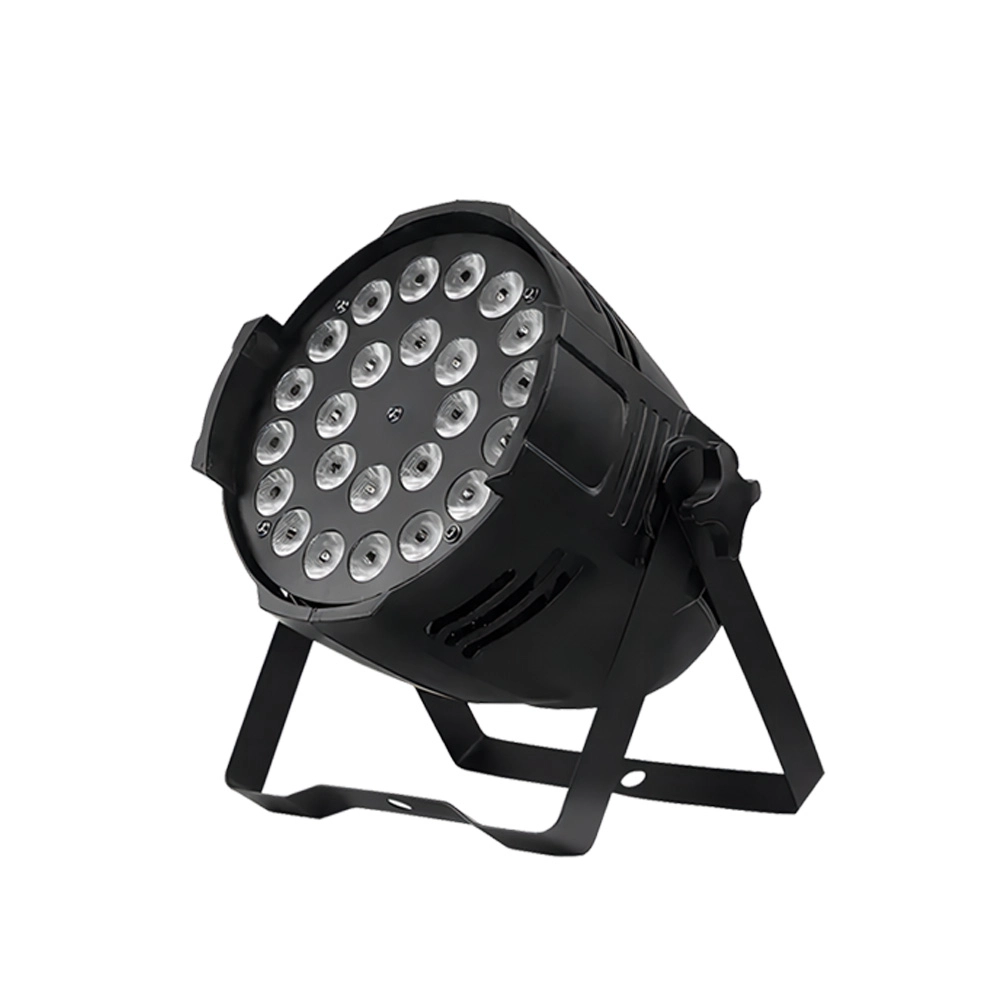
Indoor High Brightness 24*10W RGBW 4in1 LED PAR Light
AOMEIDI’s Indoor High Brightness 24*10W RGBW 4-in-1 LED PAR Light delivers vibrant, energy-efficient lighting. Ideal for venues, this High Quality LED PAR Light from leading LED par light manufacturers ensures superior color mixing and durability. Perfect for professional indoor lighting needs.
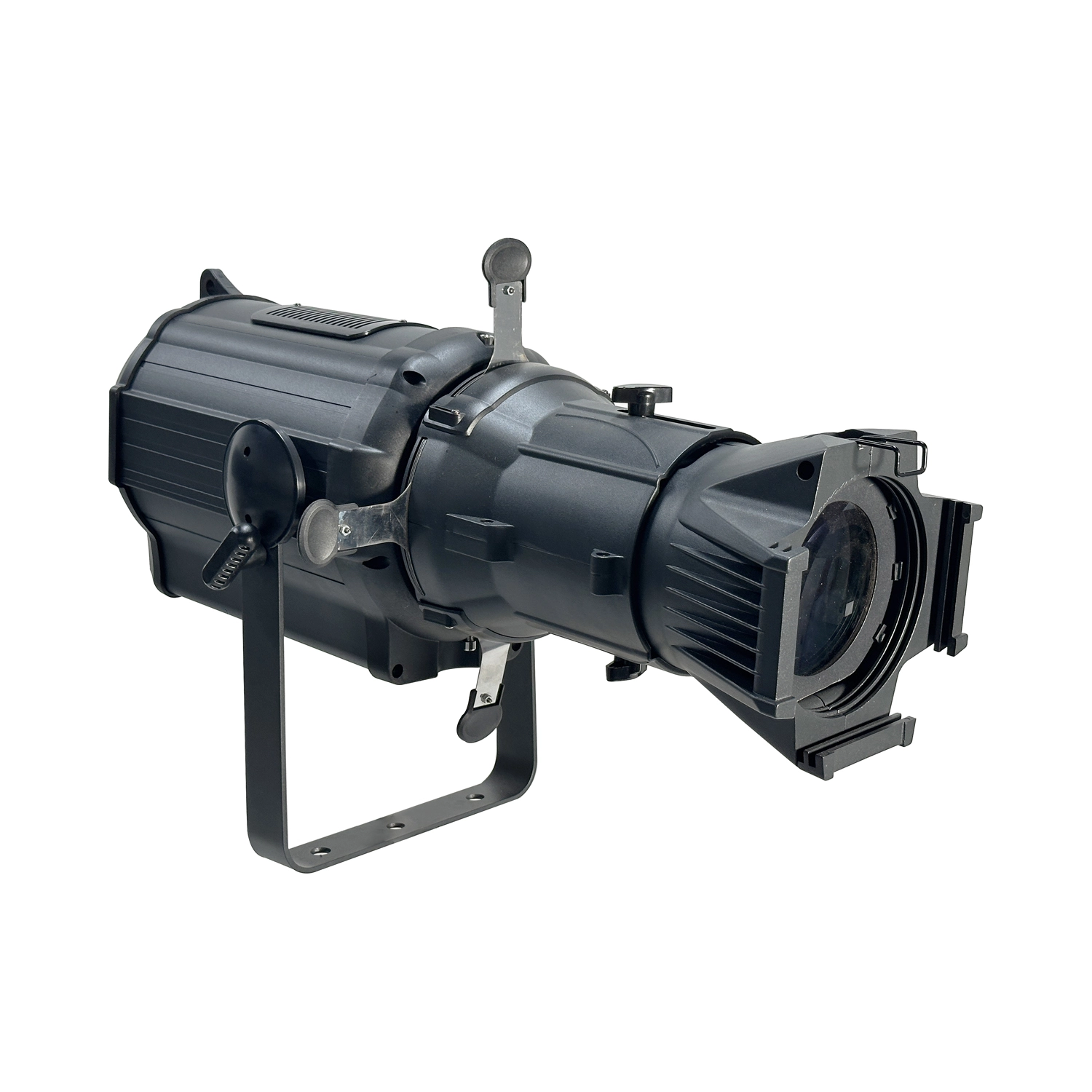
400W High CRI 6in1 Full Color Electronic LED Profile Light
The light has RGBW/RGBAL/RGBHYA four-in-one/five-in-one/six-in-one (customizable)
Imaging lamp with a dedicated combination lens, available in 5°/10°/19°/26°/36°/50°, with four built-in light-blocking plates for convenient cutting into various shapes, and a 24K flicker-free light source management system.

432 High CRI Silent Flicker-free LED Panel Light For Studio
The 432*0.5W panel light has a good color rendering index and a stable light source, which is energy saving and environmentally protective.
 Scan QR Code