
The Ultimate Guide to LED Stage Light Bar Technology: Pro Design Trends for 2026
- What is an LED Stage Light Bar?
- Key Components of Modern LED Bars
- Quick Summary: Key Takeaways for Stage Designers
- Critical Success Factors
- Advanced Types of LED Bar Lights and Their Applications
- 1. Wash Bars
- 2. Pixel Mapping Bars
- 3. Hybrid Beam/Wash Bars
- Expert Selection Criteria: Beyond the Spec Sheet
- Essential Technical Specifications
- 2026 Industry Trends: The Future of Stage Lighting
- Major Technological Shifts
- Pro-Level Implementation: Industry Leading Solutions
- Case Study: Efficiency in Action
- Integration Tips for Large Arrays
- Common Installation Mistakes to Avoid
- 1. Improper DMX Termination
- 2. Ignoring Beam Angles
- 3. Power Link Overload
- 4. Thermal Throttling
- FAQs
- What is the difference between an LED bar and a PAR light?
- How many LED stage light bars can I daisy chain?
- Do I need a DMX controller to use an LED bar light?
- What does RGBWA+UV mean in stage lighting?
- Are LED stage lights bright enough for outdoor use?
- How long do LED stage light bars last?
- Can I use LED bar lights for video production?
- How do I calculate the beam angle needed for my stage?
- References
What is an LED Stage Light Bar?
An LED stage light bar is a linear lighting fixture composed of a row of light-emitting diodes designed to provide uniform color washes, wall grazing, and dynamic visual effects for live performances. Unlike traditional point-source lights, these fixtures offer a wide, rectangular spread of light, making them indispensable for illuminating backdrops, stage skirts, and architectural features.
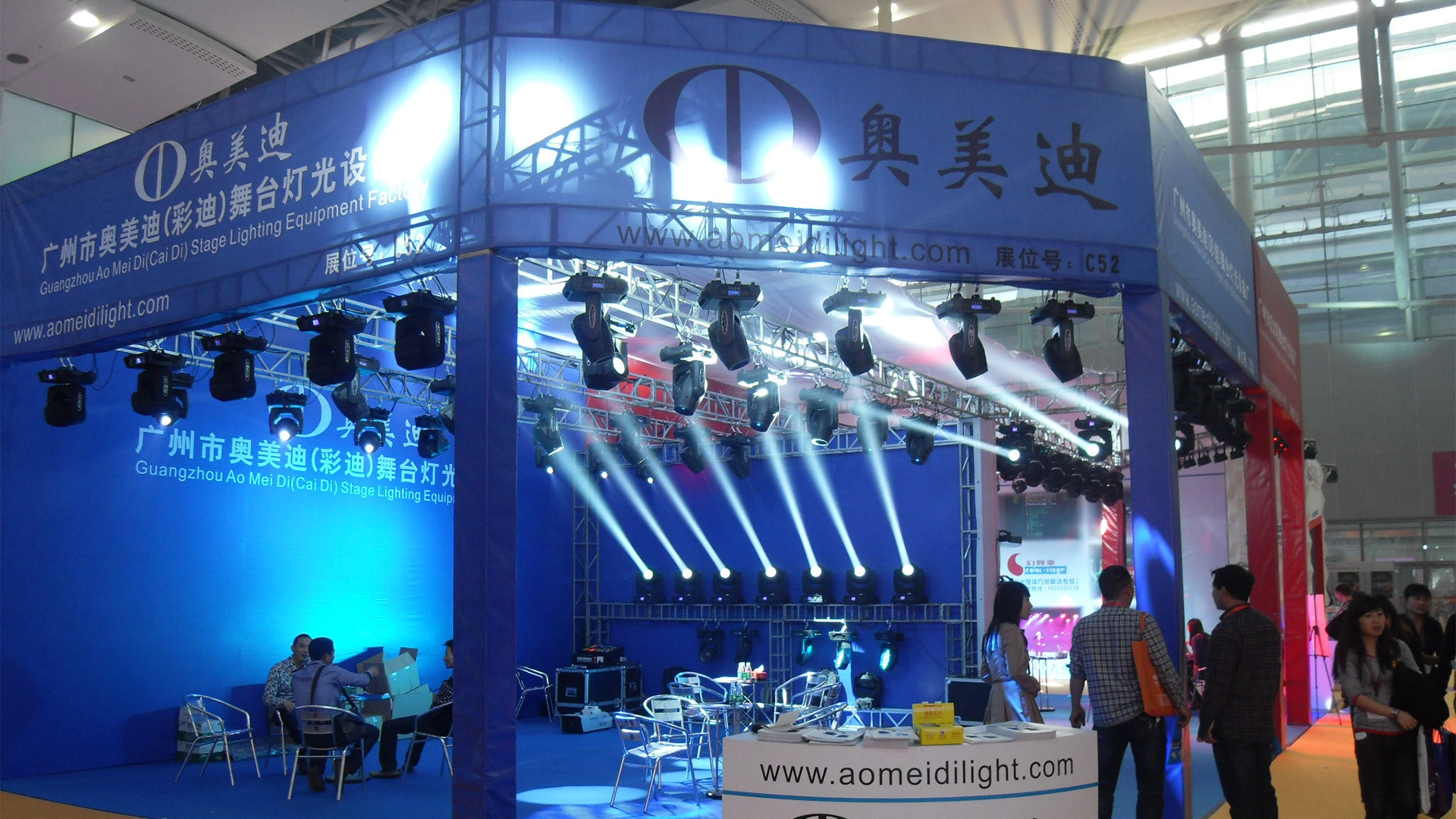
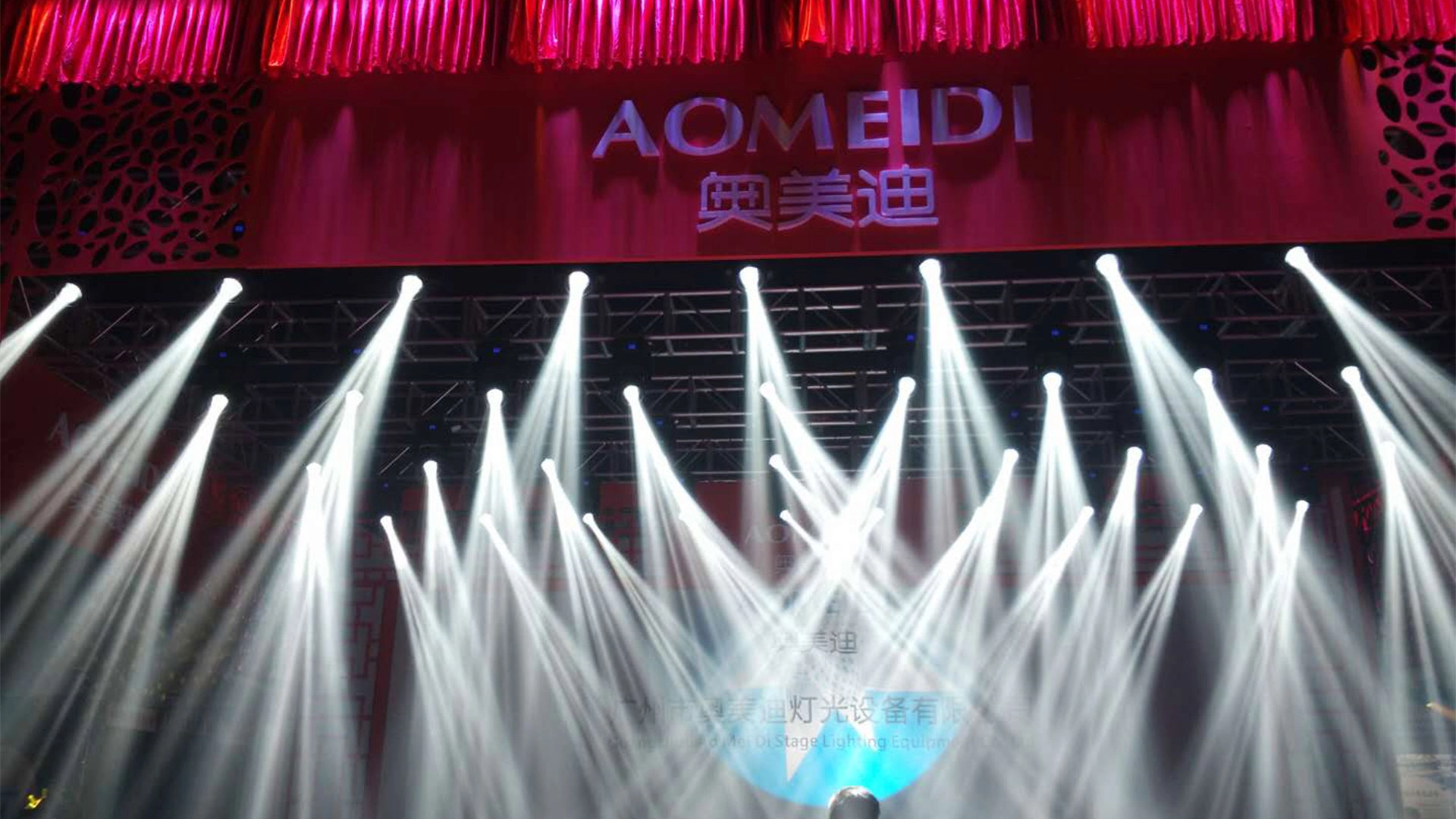
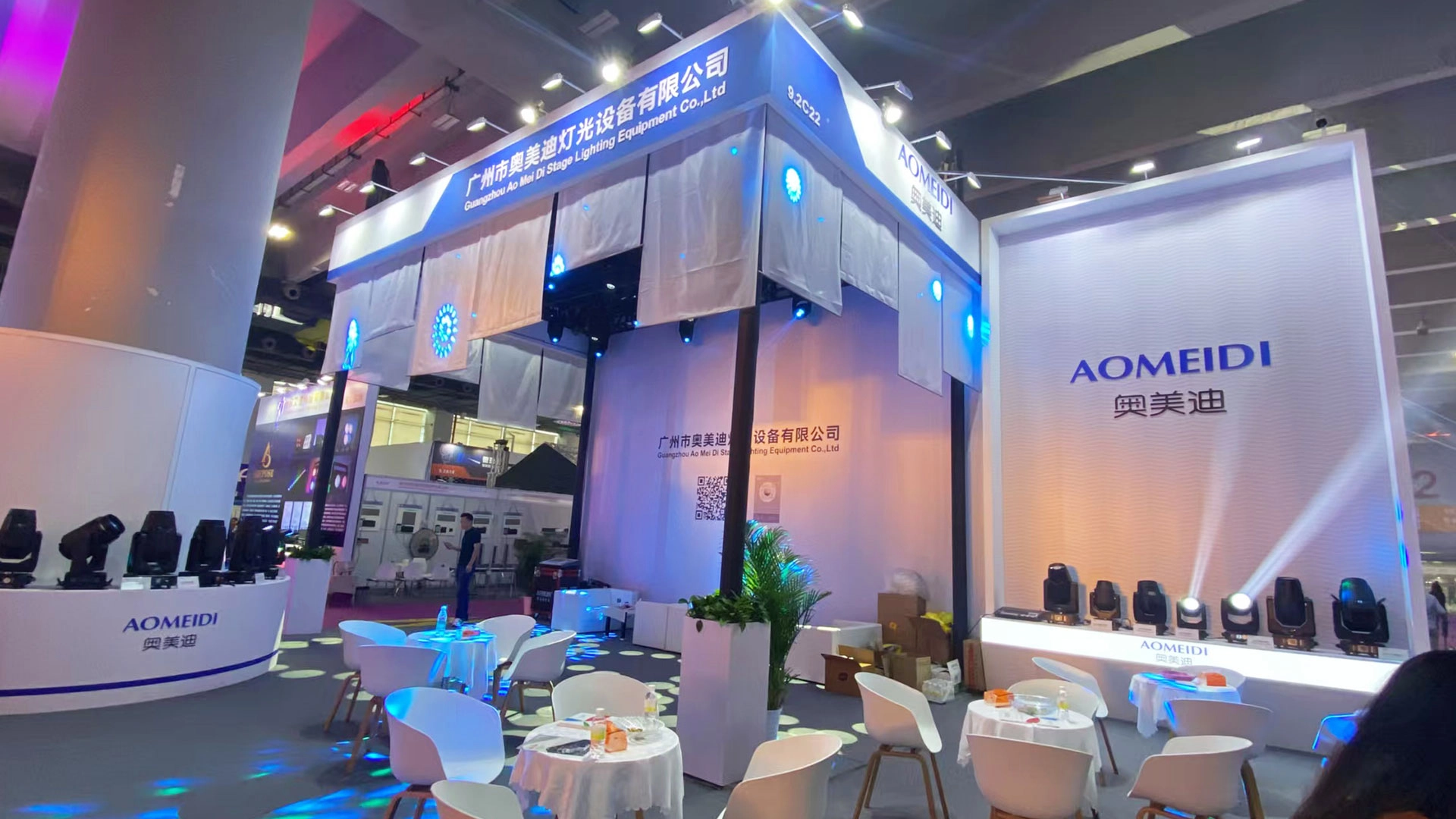
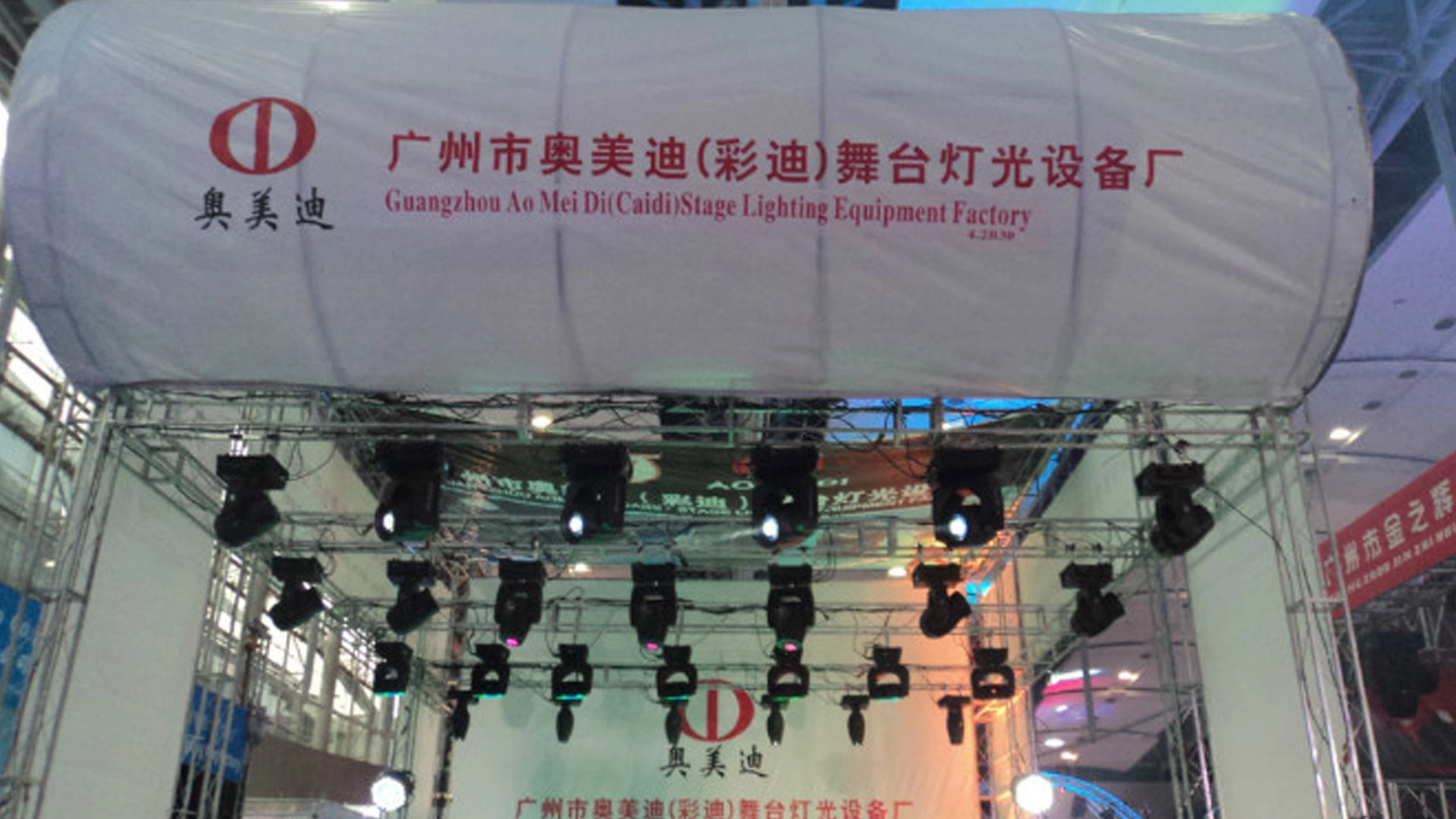
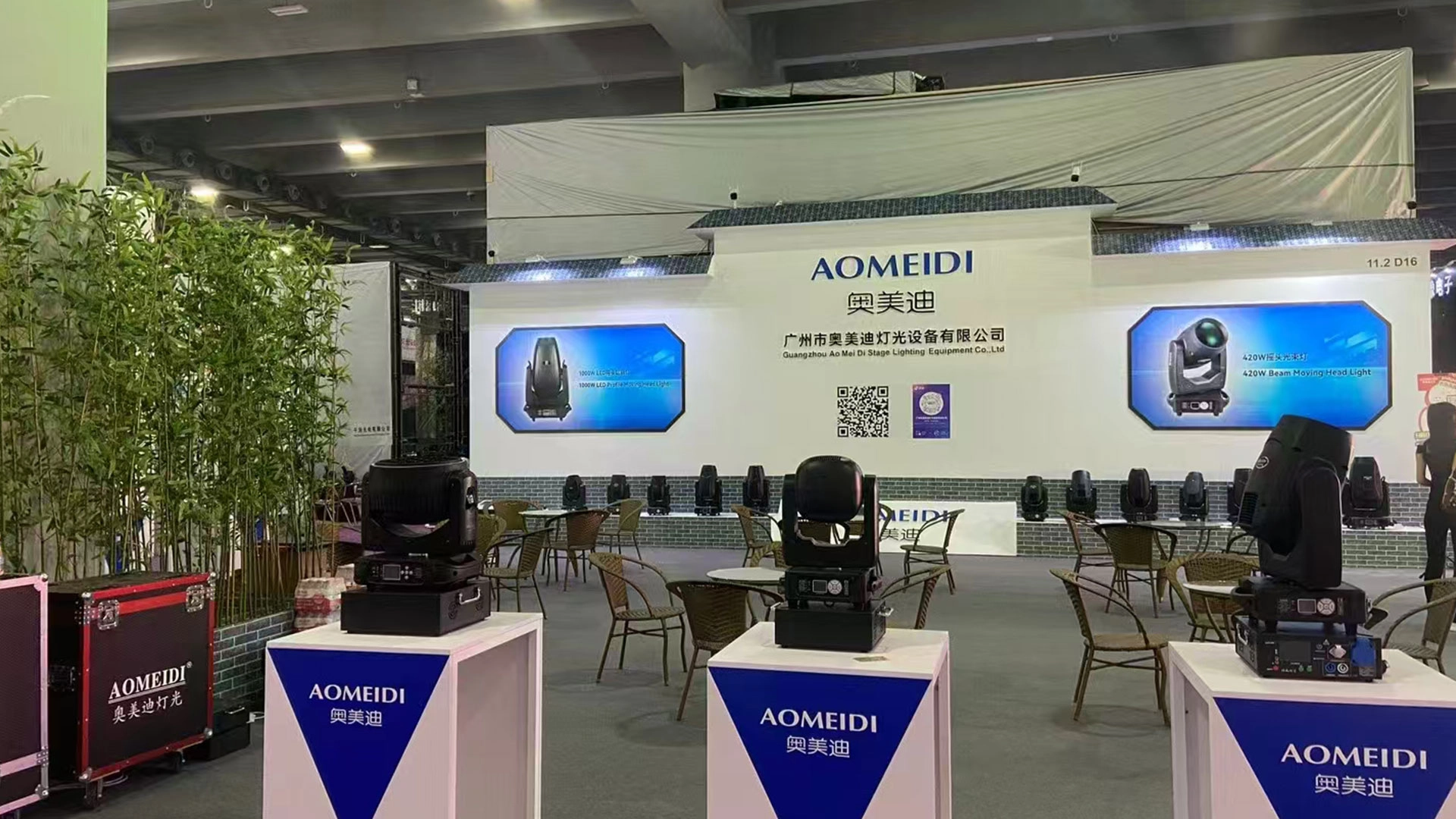
Modern stage lighting has evolved significantly from the hot, power-hungry halogen strips of the past. Today's linear stage wash fixtures utilize advanced semiconductor technology to deliver high-intensity output while consuming up to 90% less energy than legacy systems. For manufacturers like Guangzhou AO MEI DI Stage Lighting Equipment Co., Ltd (AOMEIDI), a national high-tech enterprise established in 2006, the focus has shifted toward intelligent integration. Their LED bars are not just lights; they are sophisticated data devices capable of complex pixel mapping and seamless integration into large-scale DMX networks.
Key Components of Modern LED Bars
- LED Engine: The core chipset, often featuring RGBWA+UV configurations for a massive color gamut.
- Optical Lens System: Determines the beam angle, ranging from tight 5° beams to wide 60° washes.
- Heat Sink: Passive or active cooling systems to maintain the lifespan of the diodes.
- DMX Driver: The electronic brain that translates control signals into light output.
Quick Summary: Key Takeaways for Stage Designers
To future-proof your lighting rig for 2026, prioritize fixtures that offer high-density pixel control, wireless connectivity, and robust IP ratings for versatility. Avoid legacy RGB-only fixtures; the industry standard has moved to multi-spectral chips that can produce true ambers, whites, and UV effects without color separation artifacts.
Critical Success Factors
- Spectrum Matters: Always choose RGBWA+UV wash lighting (Red, Green, Blue, White, Amber, UV) to achieve deep saturation and pastel accuracy.
- Control is King: Ensure the fixture supports DMX pixel mapping effects, allowing you to treat the light bar as a low-resolution video screen.
- Durability: For touring or outdoor festivals, IP65-rated waterproof bars are mandatory to prevent moisture ingress.
- Efficiency: Upgrading to LED bars can reduce a venue's HVAC cooling load by approximately 40% due to reduced thermal emission.
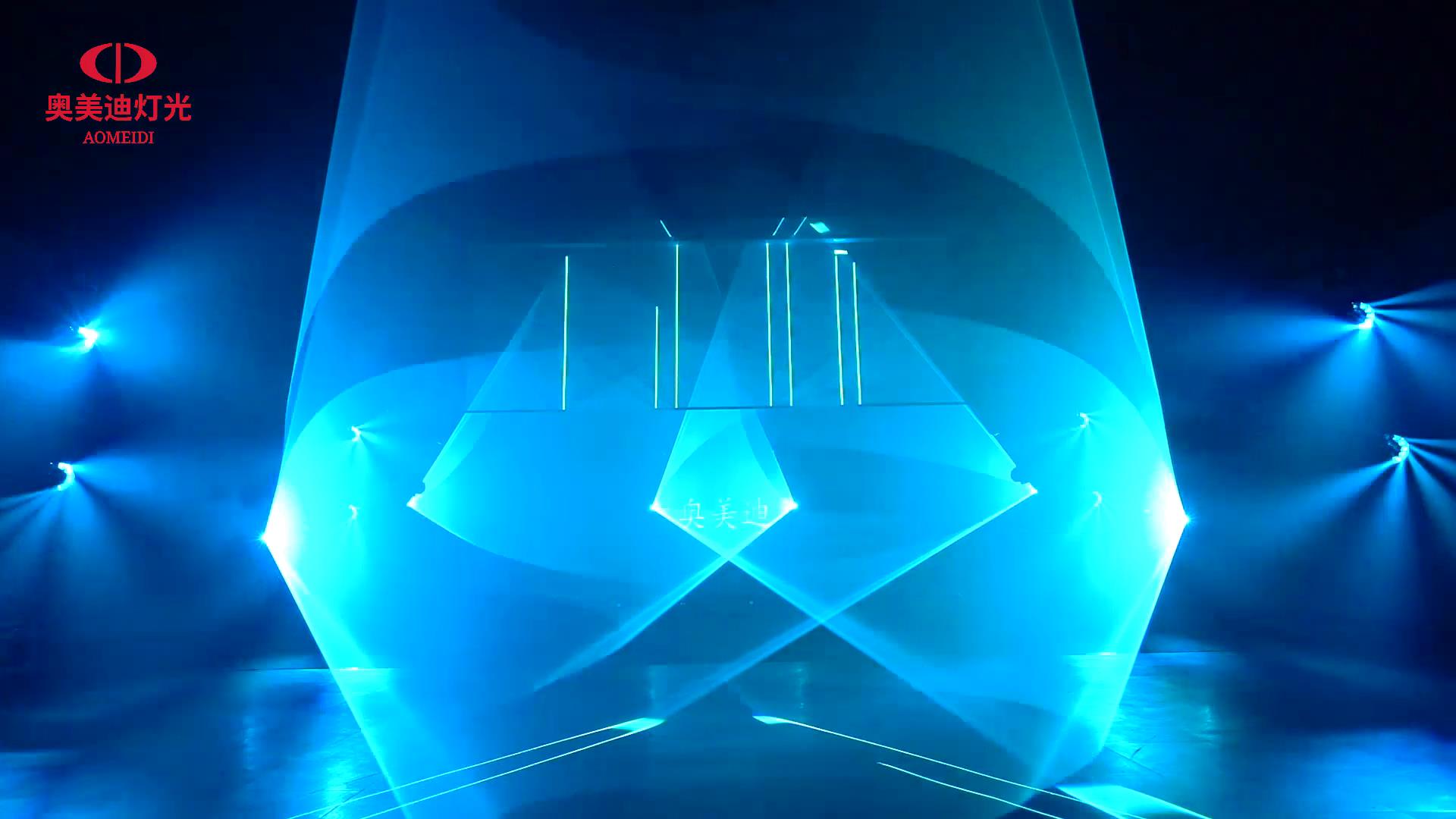
Advanced Types of LED Bar Lights and Their Applications
There are three primary categories of LED bars, each serving a distinct function in stage design. Understanding the specific application of these tools is crucial for creating professional-grade visual environments.
1. Wash Bars
Designed primarily for coverage, these fixtures use wide lenses to flood surfaces with color. They are the workhorses of theater backdrops and cyc lighting. High-quality wash bars often employ COB LED technology (Chip-on-Board), where multiple LED chips are packaged together as a single module. This creates a smoother, more uniform light source compared to individual diodes, eliminating the "skittles" effect where multicolor shadows appear on the wall.
2. Pixel Mapping Bars
These are the creative engines of modern concert touring. Pixel bars allow lighting designers to control each individual LED (or small clusters of LEDs) independently. By utilizing DMX pixel mapping effects, designers can scroll text, run video content, or create liquid motion effects across the face of the fixture. This transforms the lighting rig into a dynamic canvas, blurring the line between lighting and video.
3. Hybrid Beam/Wash Bars
Hybrid bars feature motorized functionality, such as zoom or tilt. A bar might start as a narrow 4° beam effect cutting through the air and then zoom out to a 45° wash to cover the stage. Companies like AOMEIDI, with experience in large-scale projects like the 2008 Beijing Olympic Cycling Stadium, often utilize these versatile fixtures to adapt to the varied demands of televised sports and live entertainment.
Expert Selection Criteria: Beyond the Spec Sheet
When evaluating fixtures, look past the total wattage and focus on the quality of light and control precision. Professional-grade equipment is defined by its ability to perform consistently under the scrutiny of high-definition cameras and critical eyes.
Essential Technical Specifications
- Refresh Rate: A minimum of 3,000Hz is required to ensure flicker-free operation on camera. For broadcast events, aim for adjustable frequencies up to 25,000Hz.
- CRI (Color Rendering Index): For theater and corporate events, demand a CRI of 90+. This ensures that skin tones look natural and costumes render true to color.
- Dimming Curves: 16-bit dimming is non-negotiable for professional theater. It allows for ultra-smooth fades from 0% to 1% without the visible "stepping" or jumpiness found in cheaper 8-bit controllers.
- Thermal Management: Look for "silent mode" options where fans can be disabled or slowed down for quiet moments in a performance.
2026 Industry Trends: The Future of Stage Lighting
The stage lighting industry is rapidly moving toward full automation and eco-conscious design. By 2026, the integration of AI and wireless protocols will redefine how rigs are deployed and programmed.
Major Technological Shifts
- AI-Driven Synchronization: New software allows lighting consoles to listen to audio feeds and generate complex light shows in real-time. This AI analysis predicts drops and transitions, syncing DMX pixel mapping effects with millisecond precision.
- Wireless DMX Expansion: The days of running miles of XLR cable are ending. Wireless DMX stage lighting is becoming the standard for festivals and quick-turnaround events. Recent market reports suggest that by 2025, wireless adoption in portable stage lighting will increase significantly, reducing setup times by up to 50%.
- Sustainable Hardware (Circular Economy): Manufacturers are moving toward modular designs. Instead of discarding a fixture when the LEDs dim, new designs allow for the LED engine to be swapped out while keeping the chassis and power supply. This aligns with global sustainability goals and reduces electronic waste.
- Matter Protocol Integration: The smart home standard "Matter" is beginning to influence pro-lighting, allowing for easier integration of architectural LED bars into building management systems.
Pro-Level Implementation: Industry Leading Solutions
Real-world application demonstrates the massive ROI of upgrading to modern LED infrastructure. Drawing from the manufacturing and engineering experience of AOMEIDI, we can see how these technologies perform in the field.
Case Study: Efficiency in Action
Consider a theater replacing 20 traditional 1000W halogen cyc lights with 20 modern 200W RGBWA+UV wash lighting bars.
- Energy Savings: The total load drops from 20,000W to 4,000W—an 80% reduction in direct power consumption.
- Cooling Bonus: Halogen lights convert nearly 90% of their energy into heat. By removing 16,000W of heat load from the stage, the venue's air conditioning costs drop dramatically.
- Data Sources: According to a 2024 analysis by LQE Lighting, LED fixtures can save venues thousands annually in operational costs compared to halogen equivalents.
Integration Tips for Large Arrays
When deploying large quantities of pixel bars (e.g., 50+ units), standard DMX cables often lack the bandwidth.
- Use Art-Net or sACN: These Ethernet-based protocols carry thousands of DMX universes over a single CAT6 cable.
- Power Injection: Even with low-power LEDs, voltage drop can occur over long runs. Inject fresh power every 10-15 fixtures to maintain uniform brightness.
Common Installation Mistakes to Avoid
Even the best linear stage wash fixtures will perform poorly if installed incorrectly. Avoid these frequent pitfalls to ensure a stable and safe lighting rig.
1. Improper DMX Termination
The Mistake: Leaving the "Data Out" port of the last fixture open. The Fix: Always insert a 120-ohm DMX terminator into the final fixture. This prevents signal reflection (ghosting), which causes lights to flicker or behave erratically.
2. Ignoring Beam Angles
The Mistake: Using a narrow 10° lens for a short-throw wall wash. The Fix: This creates "hot spots" and dark gaps. For washing walls from a close distance (e.g., 1 meter), use a wide 40° or 60° lens, or install a holographic diffusion filter.
3. Power Link Overload
The Mistake: Daisy-chaining too many fixtures on a single power circuit. The Fix: Check the "Max Power Link" spec. If a fixture draws 2A and the circuit is 20A, do not exceed 8-9 units to leave safety headroom.
4. Thermal Throttling
The Mistake: Mounting bars directly against a ceiling or wall without an air gap. The Fix: Modern high-power LEDs need to breathe. Blocking the air vents will cause the fixture's internal protection to dim the LEDs (throttle) to prevent overheating, ruining your light output.
FAQs
What is the difference between an LED bar and a PAR light?
An LED bar provides a linear, rectangular spread of light ideal for washing wide surfaces like walls or curtains. A PAR light produces a circular or oval beam, which is better suited for spotlighting specific areas, acting as a truss warmer, or creating focused beams through fog.
How many LED stage light bars can I daisy chain?
The number depends entirely on the fixture's power consumption and the circuit's amperage. For example, on a standard 20A/120V circuit, you can safely link fixtures totaling around 1900 watts. Always verify the specific "Power Link" limit listed in the manufacturer's manual.
Do I need a DMX controller to use an LED bar light?
No, most professional bars feature standalone modes like "Auto," "Sound-Active," or "Static Color" accessible via the on-board menu. However, to synchronize multiple lights or utilize features like DMX pixel mapping effects, a controller is required.
What does RGBWA+UV mean in stage lighting?
This acronym stands for Red, Green, Blue, White, Amber, and Ultraviolet. It refers to the 6-in-1 LED chips used in the fixture. This combination allows for a much wider color palette, including warm pastels (using Amber) and glowing fluorescent effects (using UV) that standard RGB lights cannot produce.
Are LED stage lights bright enough for outdoor use?
Yes, modern high-output LED bars are often bright enough to compete with daylight in shaded areas and are incredibly powerful at night. For outdoor events, ensure you select "High-Output" models with IP65 weather resistance ratings.
How long do LED stage light bars last?
Standard professional LED fixtures are rated for 50,000 to 100,000 hours of operation. Longevity is heavily dependent on maintenance; keeping the fans clean and ensuring proper airflow will maximize the lifespan of the diodes.
Can I use LED bar lights for video production?
Yes, but you must check the PWM (Pulse Width Modulation) frequency. Video cameras can pick up the flickering of low-quality LEDs. Ensure your fixtures have a refresh rate of at least 3,000Hz (ideally higher) for flicker-free video.
How do I calculate the beam angle needed for my stage?
Calculate based on throw distance and desired coverage. As a rule of thumb: for every 1 meter of throw distance, a 60° lens will cover approx 1.15 meters of width. Narrow angles (15° or less) are for long throws; wide angles (40°+) are for short throws.
References
Related products

Our Blog
Have questions about what you just read?
Our lighting specialists can provide deeper analysis, product suggestions, and project-ready solutions based on your needs.
Rest assured that your privacy is important to us, and all information provided will be handled with the utmost confidentiality.
By clicking "Send Inquiry Now," I agree to your processing my personal data.
To see how to withdraw your consent, how to control your personal data, and how we process it, please see our Privacy Policy and Terms of Use.
 Scan QR Code