


What DMX features matter in LED stage lighting systems?
- Essential Guide to LED Stage Lighting Systems and DMX Features
- 1. What are LED Stage Lighting Systems?
- 2. How Does DMX Control Integrate with LED Stage Lights?
- 3. What Are the Key DMX Features to Consider in LED Stage Lighting?
- 4. What Are Common Challenges in DMX-Controlled LED Stage Lighting?
- 5. How Can I Troubleshoot DMX Lighting Issues?
- 6. What Are the Benefits of Using DMX with LED Stage Lighting?
- 7. How Do I Choose the Right LED Stage Lighting Fixtures?
- 8. What Are the Maintenance Considerations for LED Stage Lighting Systems?
Essential Guide to LED Stage Lighting Systems and DMX Features
When planning a stage lighting setup, understanding the integration of LED lights with DMX control is crucial. This guide addresses common questions and provides insights to assist in making informed decisions for your lighting system.
1. What are LED Stage Lighting Systems?
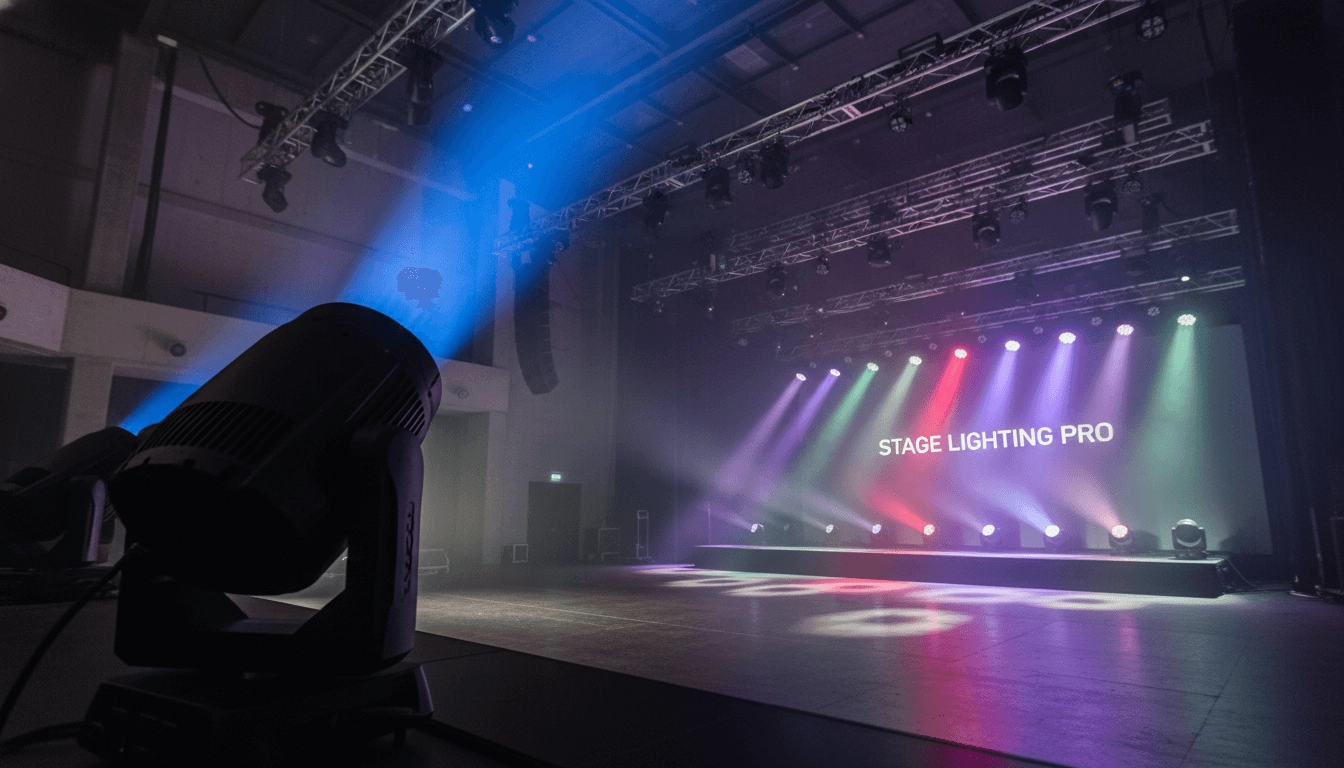
LED stage lighting systems utilize Light Emitting Diodes (LEDs) to produce illumination for performances, offering advantages such as energy efficiency, longer lifespan, and vibrant color options compared to traditional lighting sources.
2. How Does DMX Control Integrate with LED Stage Lights?
DMX (Digital Multiplex) is a protocol that allows centralized control of lighting fixtures. In LED stage lighting, DMX enables precise adjustments of parameters like intensity, color, and movement, facilitating synchronized and dynamic lighting effects.
3. What Are the Key DMX Features to Consider in LED Stage Lighting?
Channel Count: Each LED fixture may require multiple DMX channels to control various attributes. Assess the total channel count to determine the number of DMX universes needed.
Addressing: Proper DMX addressing ensures each fixture responds correctly. Develop a systematic addressing plan to prevent conflicts and ensure reliable operation.
Fixture Profiles: Understand the DMX personality of each fixture, which defines how its channels are mapped. This knowledge is essential for accurate control and programming.
Protocol Compatibility: Ensure that your fixtures support standard DMX512-A protocols, and consider those with RDM (Remote Device Management) capabilities for enhanced control and diagnostics.
4. What Are Common Challenges in DMX-Controlled LED Stage Lighting?
Signal Integrity: Long cable runs or poor-quality cables can degrade DMX signals, leading to flickering or unresponsiveness. Use appropriate DMX cables and consider signal repeaters for extended distances.
Addressing Errors: Incorrect addressing can cause fixtures to behave unpredictably. Maintain a detailed addressing plan and verify settings before performances.
Fixture Incompatibility: Not all fixtures respond identically to DMX commands. Familiarize yourself with each fixture's DMX profile to ensure consistent behavior.
5. How Can I Troubleshoot DMX Lighting Issues?
Check Connections: Verify all DMX cables and connectors are securely connected and in good condition.
Test Signal Flow: Use a DMX tester to confirm the signal is reaching all fixtures.
Inspect Addressing: Ensure all fixtures are correctly addressed and that no conflicts exist.
Review Fixture Settings: Consult the manufacturer's documentation for each fixture to understand its DMX settings and limitations.
6. What Are the Benefits of Using DMX with LED Stage Lighting?
Enhanced Control: DMX provides precise control over lighting parameters, enabling complex and synchronized lighting effects.
Scalability: DMX systems can easily accommodate additional fixtures, allowing for scalable lighting designs.
Integration: DMX can integrate with other stage technologies, such as fog machines and special effects, for a cohesive performance.
7. How Do I Choose the Right LED Stage Lighting Fixtures?
Assess Venue Requirements: Consider the size and layout of your venue to determine the appropriate type and number of fixtures.
Evaluate Fixture Features: Look for features like color mixing capabilities, beam angles, and movement ranges that align with your lighting design goals.
Check Compatibility: Ensure fixtures are compatible with your existing DMX control system and other equipment.
8. What Are the Maintenance Considerations for LED Stage Lighting Systems?
Regular Inspection: Periodically check fixtures for signs of wear, such as loose connections or damaged components.
Firmware Updates: Keep fixtures' firmware updated to ensure optimal performance and access to new features.
Cleaning: Keep lenses and housings clean to maintain light output and prevent overheating.
In conclusion, understanding the integration of DMX control with LED stage lighting systems is essential for creating dynamic and reliable lighting setups. By considering the factors outlined above, you can enhance your stage productions and deliver captivating visual experiences.
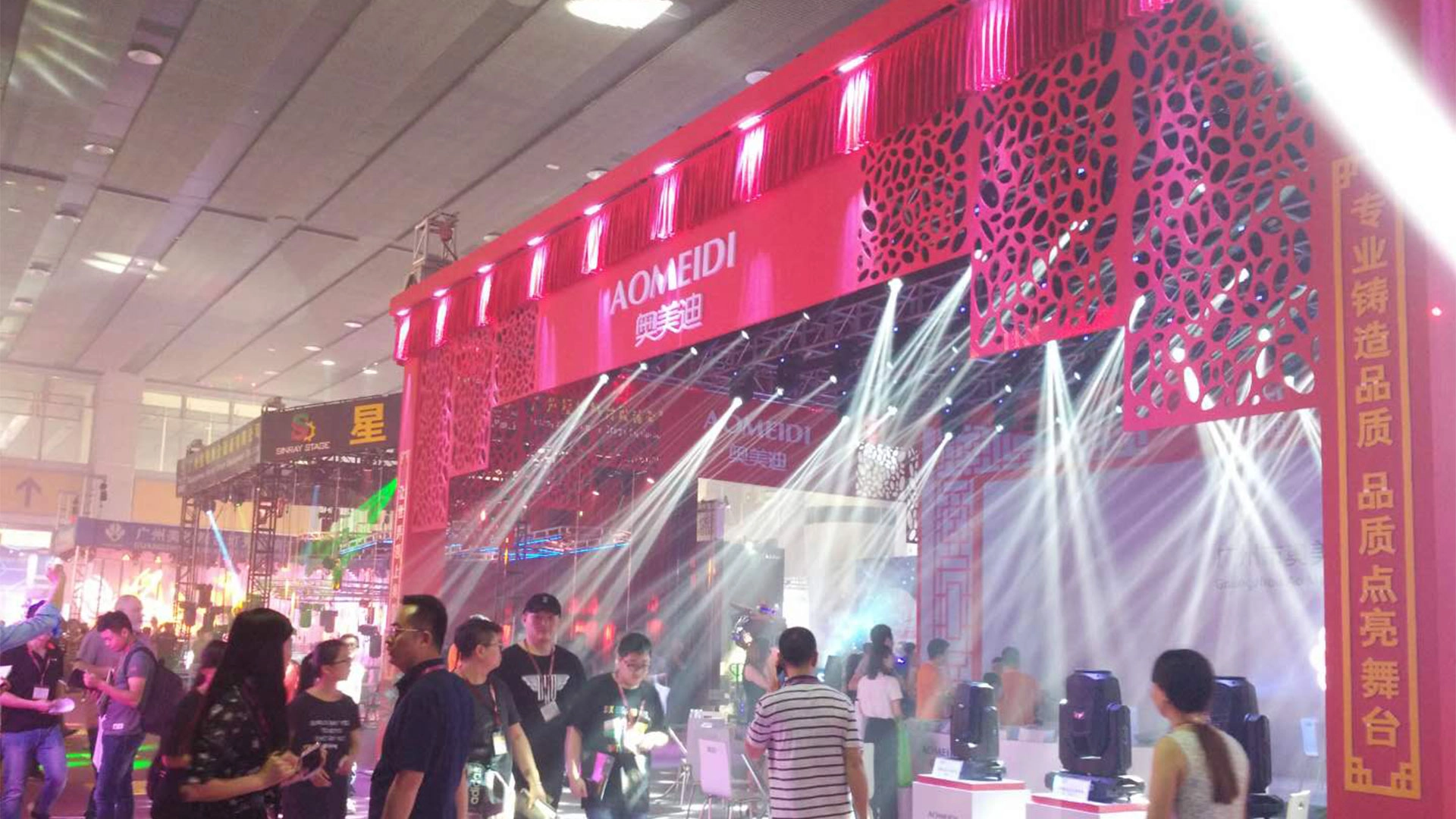
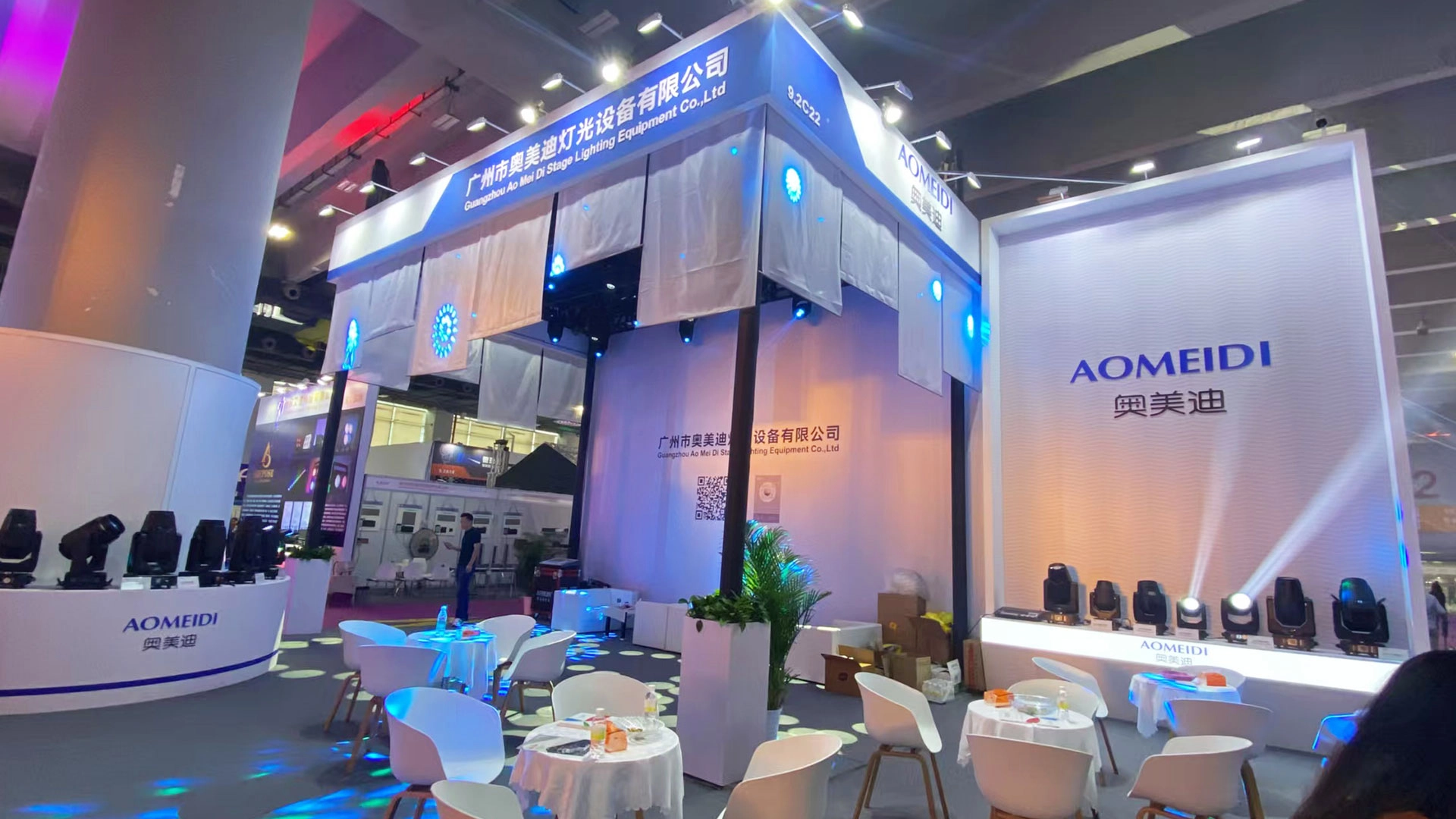
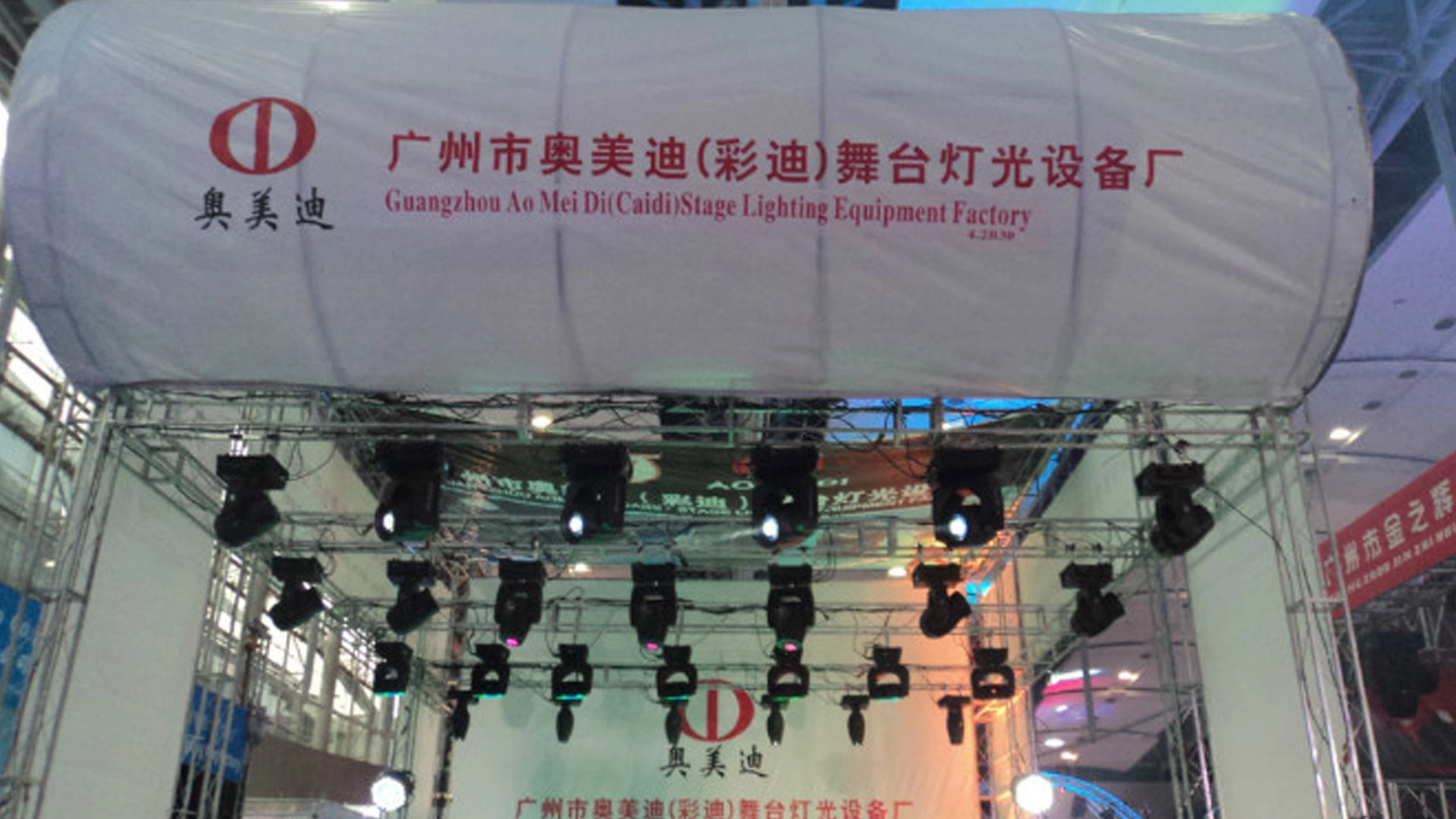
AOMEIDI offers a range of high-quality LED stage lighting solutions designed for seamless DMX integration, ensuring superior performance and durability for your events.
Note: The information provided is based on industry standards and may vary depending on specific equipment and configurations.
Sources:
Vello Light Co., Ltd. (2025). DMX Control for Stage LED Lights — Setup & Tips.
Accio Lighting (2025). LED DMX Control: Ultimate Guide for 2025.
Siterui SFX (2025). DMX Lighting Basics for Stage Light Control.
TDH Lighting (2025). The Future of DMX Control Systems in Stage Lighting.
ETC Connect (2025). A Guide for Lighting the Stage Visual Environment.
Related products
Our Blog
Have questions about what you just read?
Our lighting specialists can provide deeper analysis, product suggestions, and project-ready solutions based on your needs.
Rest assured that your privacy is important to us, and all information provided will be handled with the utmost confidentiality.
By clicking "Send Inquiry Now," I agree to your processing my personal data.
To see how to withdraw your consent, how to control your personal data, and how we process it, please see our Privacy Policy and Terms of Use.
 Scan QR Code