


How to integrate LED stage lighting systems with consoles?
- Comprehensive Guide to Purchasing and Integrating LED Stage Lighting Systems
- 1. What Are LED Stage Lights?
- 2. What Are the Different Types of LED Stage Lights?
- 3. What Factors Should Be Considered When Purchasing LED Stage Lights?
- 4. How Do LED Stage Lights Compare to Traditional Lighting Solutions?
- 5. What Are the Leading Brands in the LED Stage Lighting Market?
- 6. How Do I Ensure Compatibility with My Existing Stage Setup?
- 7. What Are the Maintenance Considerations for LED Stage Lights?
- 8. How Do I Integrate LED Stage Lighting Systems with Consoles?
- 9. What Are the Advantages of Choosing AOMEIDI for LED Stage Lighting?
Comprehensive Guide to Purchasing and Integrating LED Stage Lighting Systems
When enhancing your stage productions, selecting the right LED stage lighting system is crucial. This guide addresses common questions and provides expert insights to assist in making informed decisions.
1. What Are LED Stage Lights?
LED stage lights utilize light-emitting diodes to produce illumination, offering advantages such as energy efficiency, longevity, and versatility compared to traditional lighting solutions. They are integral in concerts, theater performances, and various live events.
2. What Are the Different Types of LED Stage Lights?
LED stage lights come in several forms:
PAR Lights: Provide a broad wash of light, ideal for general stage illumination.
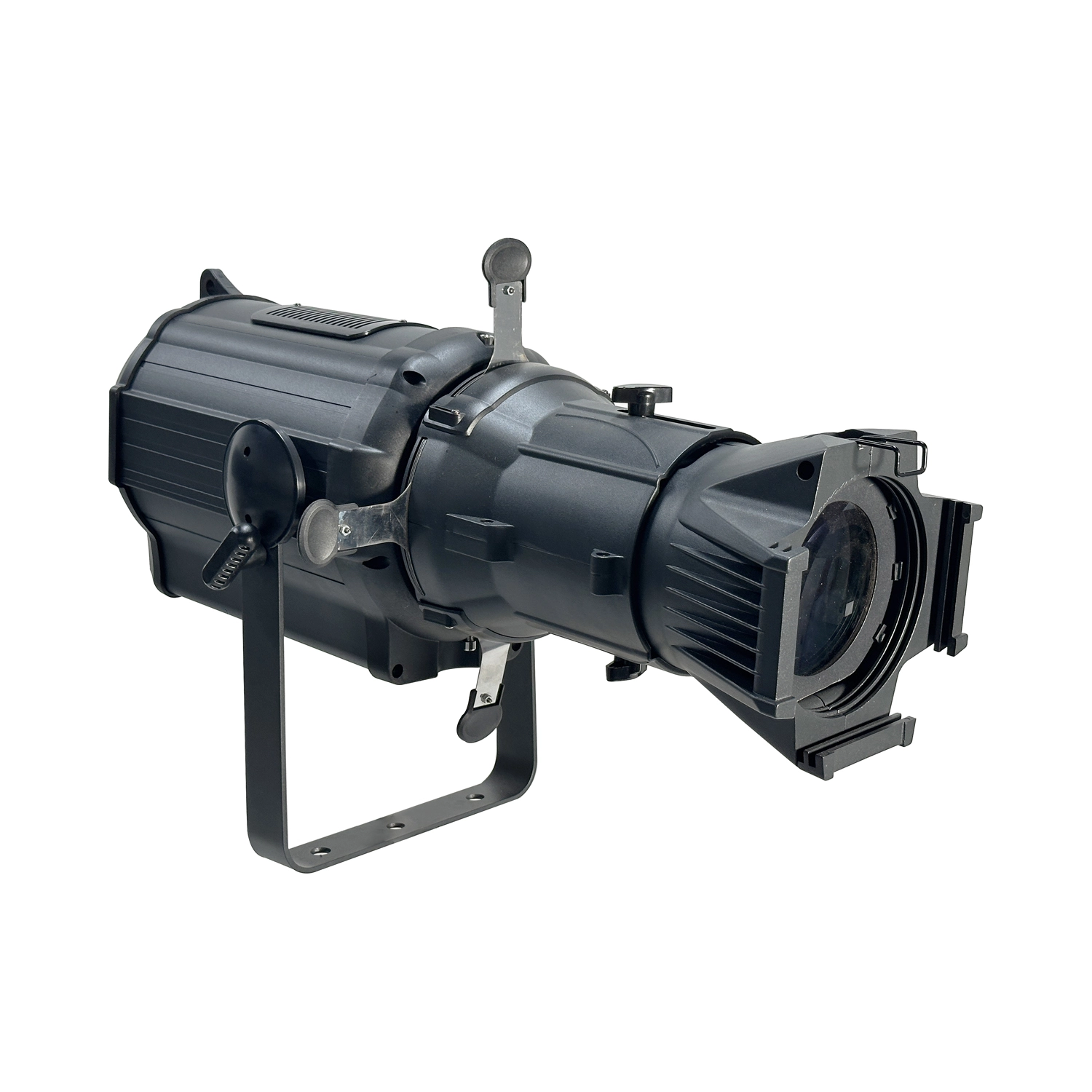
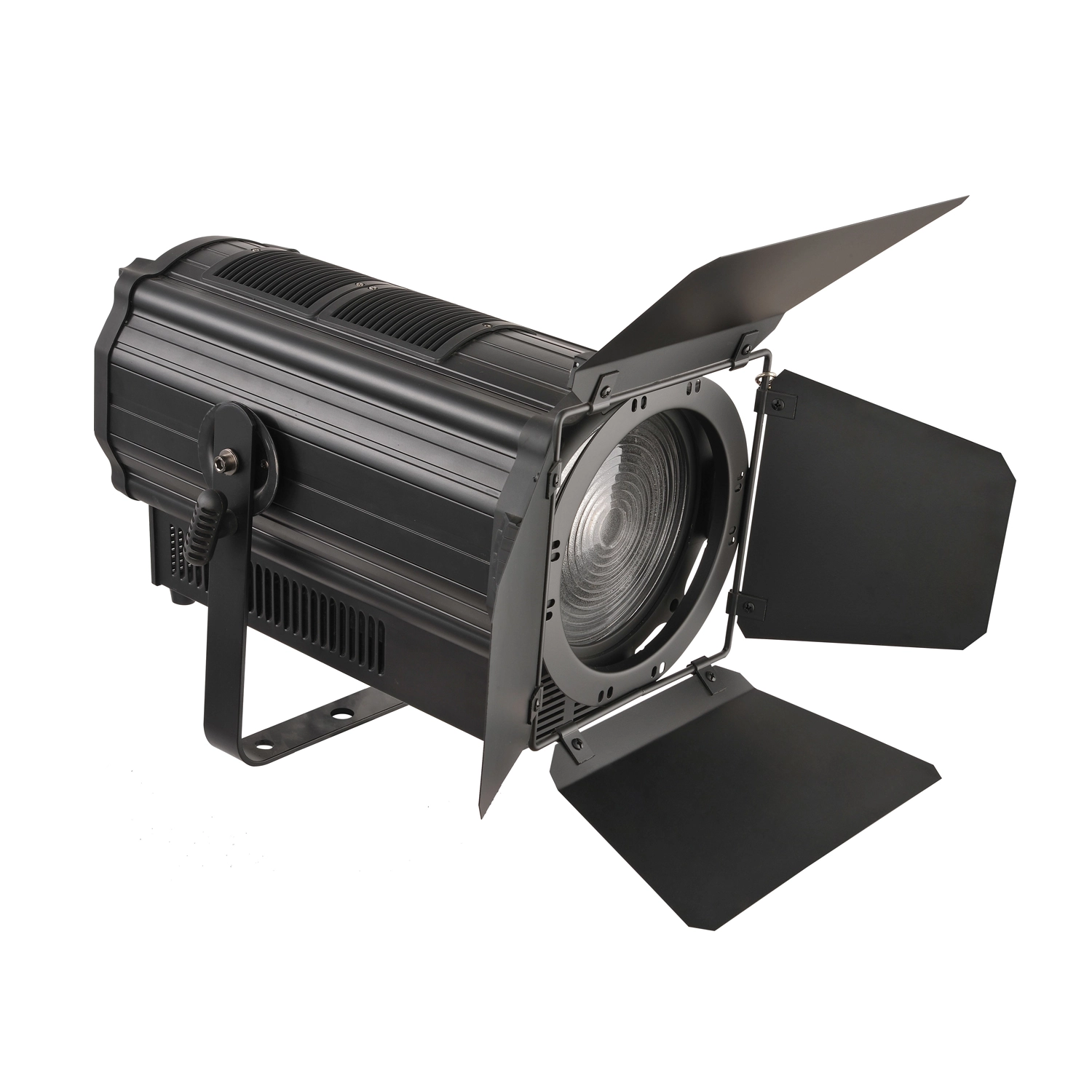
Profile Spotlights: Offer focused beams, suitable for highlighting specific areas or performers.
Moving Head Lights: Feature motorized movement, allowing dynamic changes in direction and focus.
Strip Lights: Consist of multiple LEDs in a linear arrangement, perfect for creating linear effects or backlighting.
3. What Factors Should Be Considered When Purchasing LED Stage Lights?
Venue Size and Type: Assess the dimensions and nature of your venue to determine the appropriate light output and beam angles.
Lighting Requirements: Define the desired lighting effects, such as color mixing, dimming capabilities, and movement.
Budget Constraints: Balance your lighting needs with your budget, considering both initial costs and long-term maintenance expenses.
Energy Efficiency: Opt for LED lights known for their low power consumption and extended lifespan, reducing operational costs.
4. How Do LED Stage Lights Compare to Traditional Lighting Solutions?
LED stage lights offer several advantages over traditional lighting:
Energy Efficiency: Consume less power, leading to cost savings and a smaller environmental footprint.
Longevity: Have a longer operational life, reducing the frequency of replacements.
Versatility: Provide a wide range of colors and effects, enhancing creative possibilities.
5. What Are the Leading Brands in the LED Stage Lighting Market?
Several reputable brands are recognized for their quality LED stage lighting products:
Martin: Known for innovative designs and reliable performance.
Chauvet: Offers a diverse range of lighting solutions suitable for various applications.
ADJ: Provides user-friendly and cost-effective lighting options.
Clay Paky: Renowned for high-end, professional-grade lighting fixtures.
Robe: Offers versatile and durable lighting products favored by professionals.
6. How Do I Ensure Compatibility with My Existing Stage Setup?
Control Systems: Verify that the new LED lights are compatible with your current control systems, such as DMX protocols.
Power Requirements: Ensure your venue's electrical infrastructure can support the new lighting fixtures.
Physical Dimensions: Confirm that the lights fit within your stage's spatial constraints.
7. What Are the Maintenance Considerations for LED Stage Lights?
Regular Cleaning: Keep lenses and fixtures free from dust and debris to maintain optimal performance.
Firmware Updates: Periodically check for and apply software updates to ensure the latest features and fixes.
Component Inspection: Routinely inspect for signs of wear or damage to address issues proactively.
8. How Do I Integrate LED Stage Lighting Systems with Consoles?
Integrating LED stage lighting with control consoles involves:
Control Protocols: Most professional LED stage lights accept DMX512 control. Confirm channel count for each fixture mode (simple RGB vs. multi-parameter moving heads).
RDM (Remote Device Management): Allows remote addressing and monitoring, useful for large installations and touring rigs.
Network Protocols: Art-Net and sACN provide Ethernet-based control and are common on high-density setups and pixel-mapped fixtures.
Pixel-Mapping Support: For LED bars and strips used as media surfaces, verify pixel addressability and mapping tools.
Always confirm control mode documentation and request sample DMX charts to anticipate programming effort and console compatibility.
9. What Are the Advantages of Choosing AOMEIDI for LED Stage Lighting?
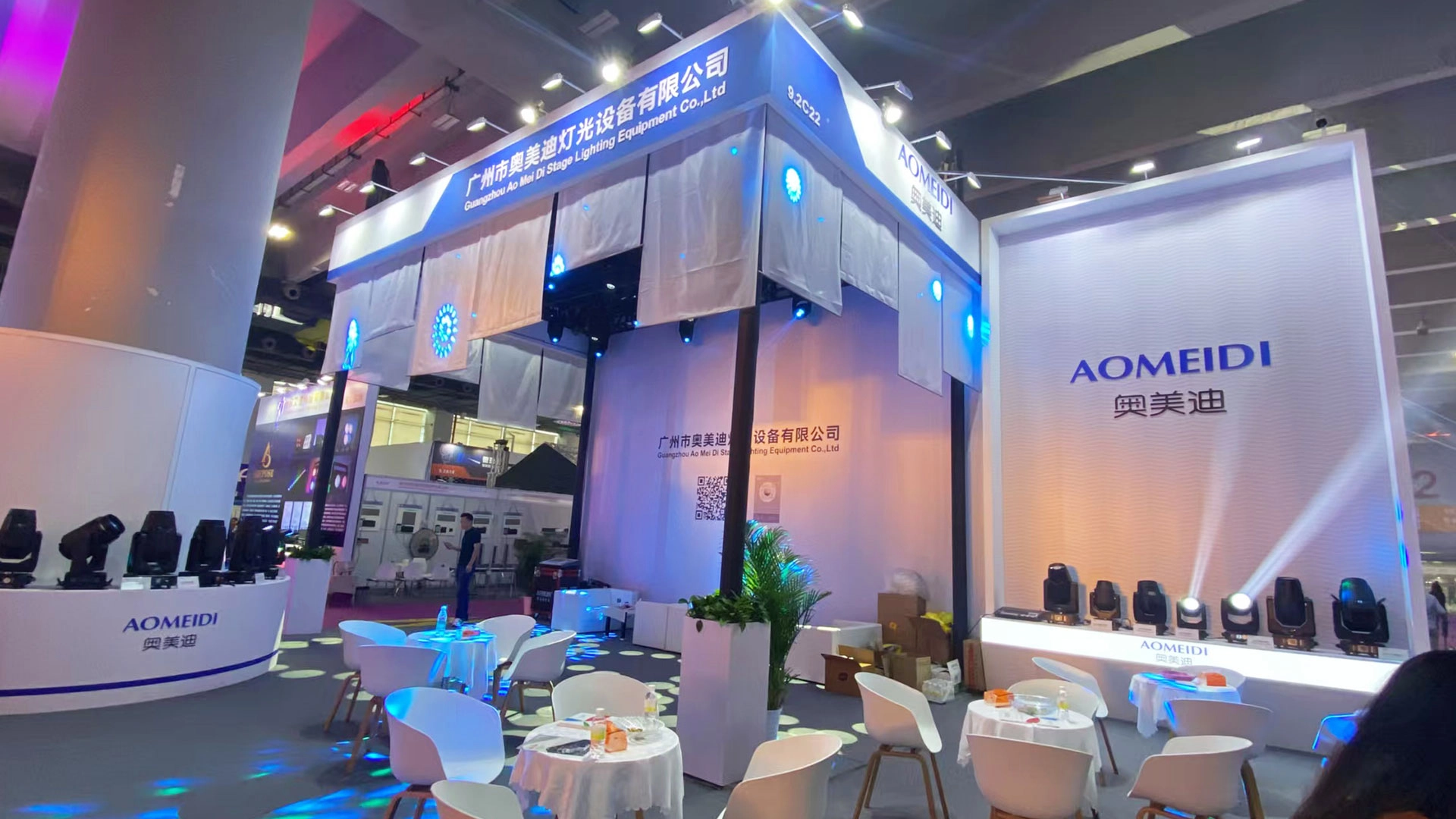
AOMEIDI offers a comprehensive range of high-quality, energy-efficient LED stage lighting solutions. Their products are designed with durability and performance in mind, ensuring they meet the diverse needs of stage productions. With a commitment to innovation and customer satisfaction, AOMEIDI provides lighting solutions that enhance the visual experience of any event.
For more information on AOMEIDI's offerings, visit their official website or contact their customer service team for personalized assistance.
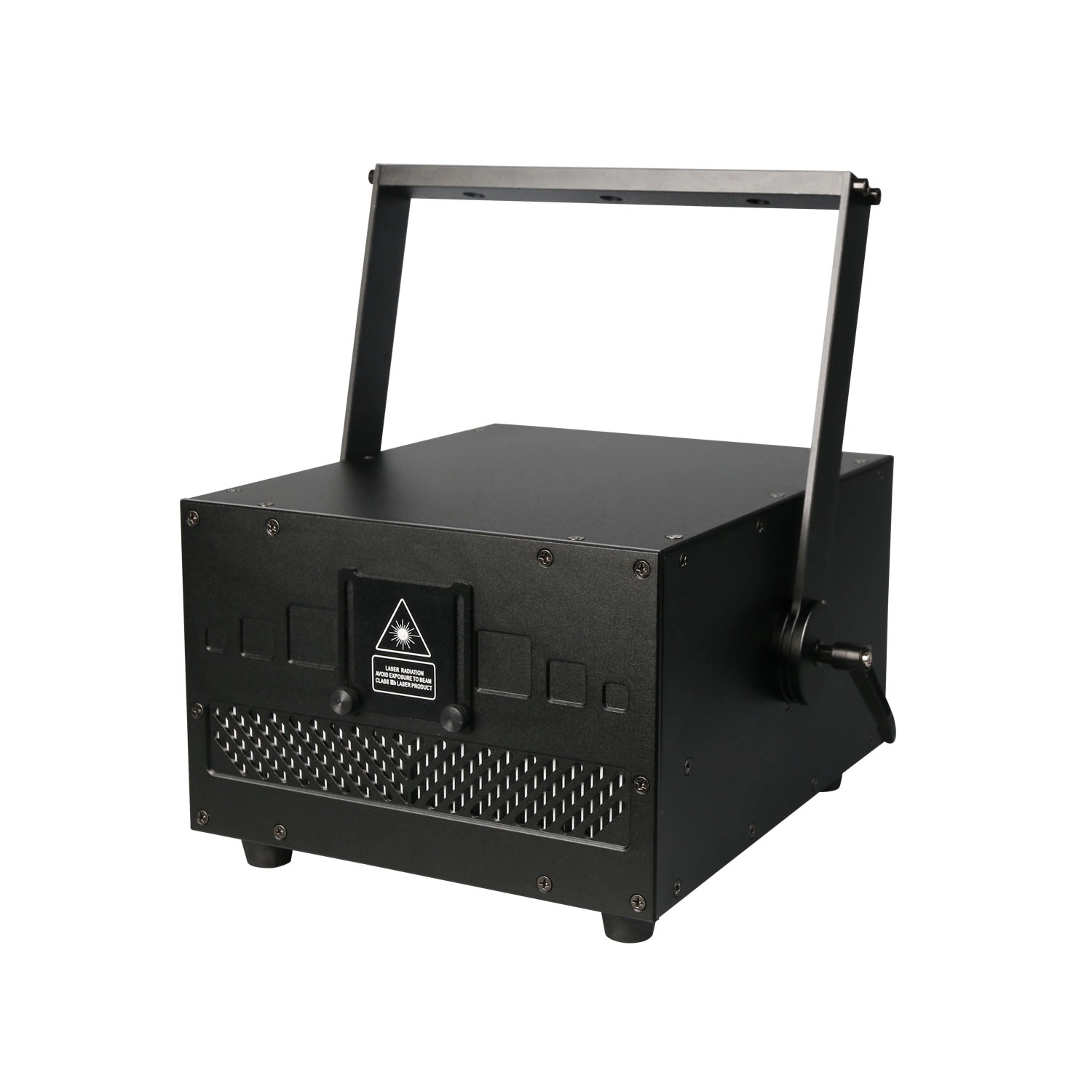
Related products
Our Blog
Have questions about what you just read?
Our lighting specialists can provide deeper analysis, product suggestions, and project-ready solutions based on your needs.
Rest assured that your privacy is important to us, and all information provided will be handled with the utmost confidentiality.
By clicking "Send Inquiry Now," I agree to your processing my personal data.
To see how to withdraw your consent, how to control your personal data, and how we process it, please see our Privacy Policy and Terms of Use.
 Scan QR Code