


How do LED stage lighting systems affect HVAC load in venues?
- Understanding LED Stage Lighting Systems
- How Do LED Stage Lighting Systems Affect HVAC Load in Venues?
- What Are the Energy Efficiency Benefits of LED Stage Lighting?
- How Do LED Stage Lighting Systems Integrate with Other Stage Systems and Special Effects?
- What Are the Key Performance Metrics for Efficient Stage Lighting?
- What Are the Maintenance and Lifecycle Considerations for LED Stage Lighting?
- How Do LED Stage Lighting Systems Contribute to Environmental Sustainability?
- What Are the Key Considerations When Purchasing LED Stage Lighting Fixtures?
- How Does AOMEIDI Stand Out in the LED Stage Lighting Industry?
Understanding LED Stage Lighting Systems
LED stage lighting systems have revolutionized the entertainment industry by offering superior energy efficiency, reduced heat emission, and enhanced performance. Unlike traditional lighting technologies, LEDs convert a higher percentage of electrical energy into usable light while generating significantly less heat. This transformation allows designers to achieve similar or better visual results while drawing substantially less power. The U.S. Department of Energy and ENERGY STAR report that LEDs can use up to 75% less energy and last substantially longer than traditional incandescent lamps.
How Do LED Stage Lighting Systems Affect HVAC Load in Venues?
The integration of LED stage lighting systems can significantly reduce the cooling load on HVAC systems in venues. Traditional lighting technologies, such as incandescent and halogen lamps, emit a considerable amount of heat, contributing to increased cooling demands. In contrast, LED fixtures emit far less heat, thereby decreasing the burden on HVAC systems. For instance, a typical 465W metal halide high bay fixture can emit up to 347W in waste heat, whereas high-quality LED fixtures produce only a fraction of the waste heat as their HID counterparts, often just 50-150W in thermal load.
What Are the Energy Efficiency Benefits of LED Stage Lighting?
LED stage lighting offers substantial energy efficiency benefits. When evaluating energy efficiency, it's essential to compare not only instantaneous wattage but also lumen output, beam/optical efficiency, and system losses (dimming, power supplies, cabling). Typical reductions observed when moving from halogen/incandescent or discharge fixtures to LED fixtures are in the 50%–85% range, depending on fixture type and usage patterns.
How Do LED Stage Lighting Systems Integrate with Other Stage Systems and Special Effects?
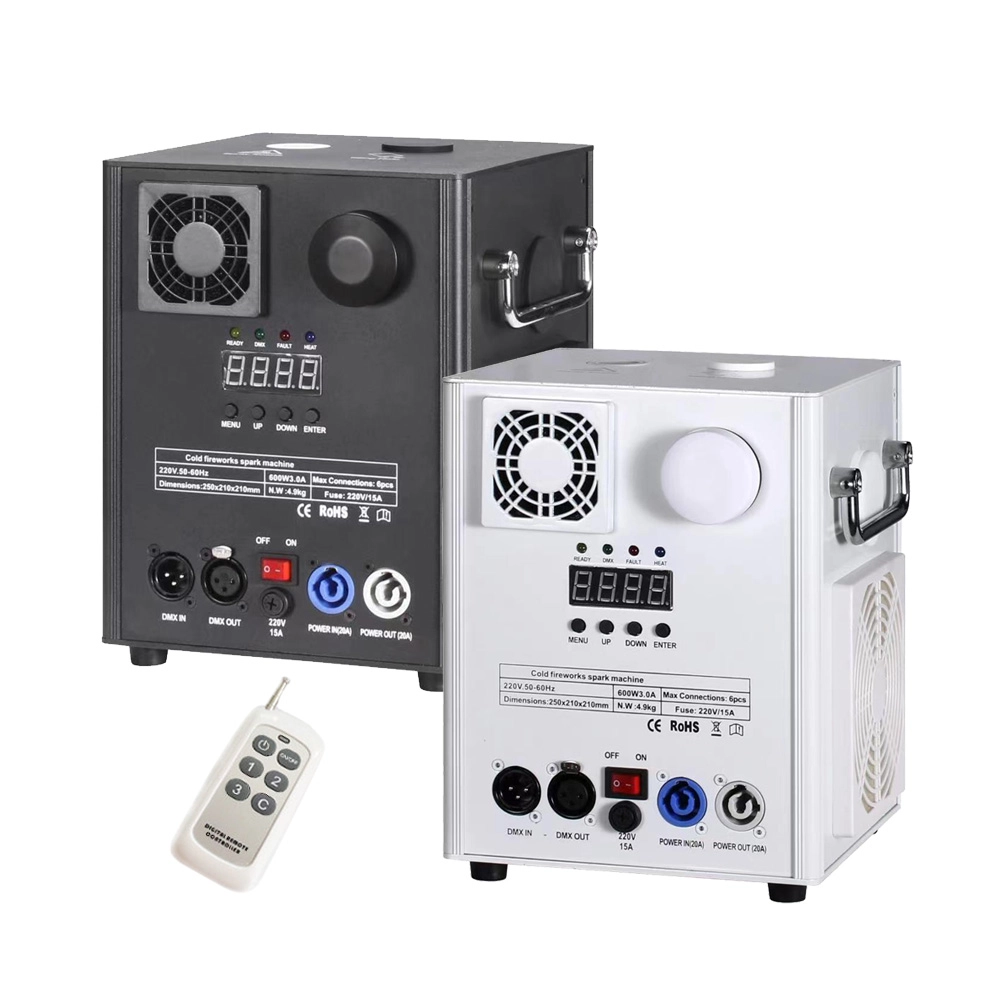
LED stage lights integrate well with modern show control systems and can be synchronized with special effects elements (fog, CO₂, spark effects) through timecode or centralized control platforms. This synchronization enhances the audience experience and safety when properly coordinated by experienced technicians.
What Are the Key Performance Metrics for Efficient Stage Lighting?
When evaluating LED stage lighting for energy efficiency, focus on these metrics:
Luminous Efficacy (lm/W): Measures how much visible light is produced per watt.
Color Rendering Index (CRI/TLCI): Ensures visual quality is maintained.
Fixture Lifetime (hours): Indicates the expected operational lifespan.
Cooling/Air Conditioning Energy Changes: Due to reduced radiant heat.
What Are the Maintenance and Lifecycle Considerations for LED Stage Lighting?
LED stage lighting fixtures typically have a longer operational lifespan compared to traditional lighting technologies. For example, LED fixtures can last between 30,000 to 100,000 hours (L70), whereas incandescent/halogen fixtures have a lifespan of 1,000–2,000 hours. This extended lifespan reduces the frequency of lamp replacements and associated maintenance costs.
How Do LED Stage Lighting Systems Contribute to Environmental Sustainability?
LEDs reduce greenhouse gas emissions indirectly by lowering electricity demand. Many jurisdictions now incentivize LED upgrades through rebates or utility programs. Using LEDs also reduces hazardous waste associated with some lamp types (e.g., certain discharge lamps contain mercury), simplifying end-of-life disposal.
What Are the Key Considerations When Purchasing LED Stage Lighting Fixtures?
When purchasing LED stage lighting fixtures, consider the following:
Performance Metrics: Evaluate luminous efficacy, CRI/TLCI, beam angles, and beam uniformity.
Operational and Reliability Considerations: Assess mean time between failures (MTBF), warranty terms, spare parts availability, and service networks.
Total Cost of Ownership (TCO): Include initial purchase price, energy cost, maintenance, lamp replacements, and disposal or recycling costs.
How Does AOMEIDI Stand Out in the LED Stage Lighting Industry?
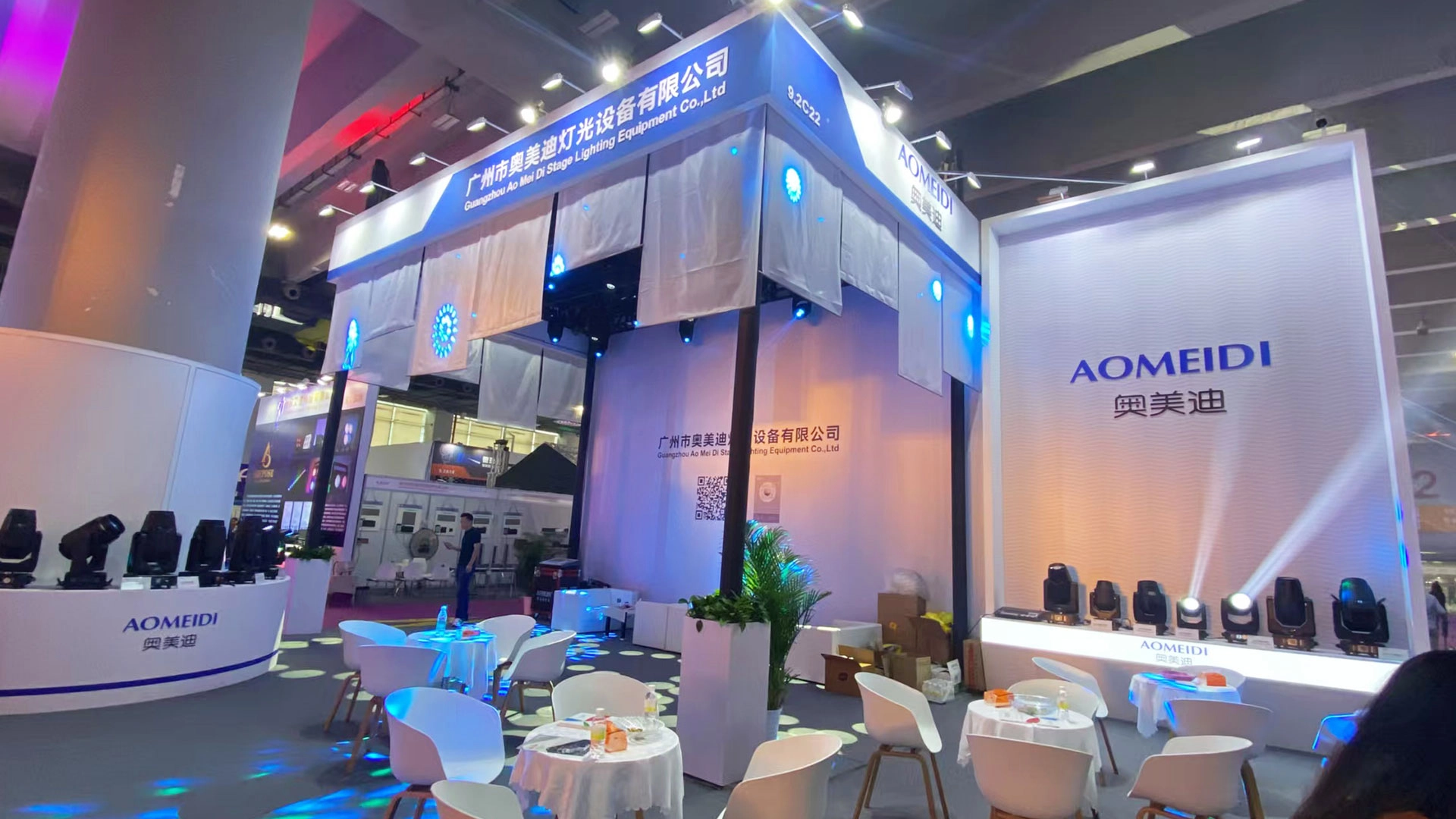
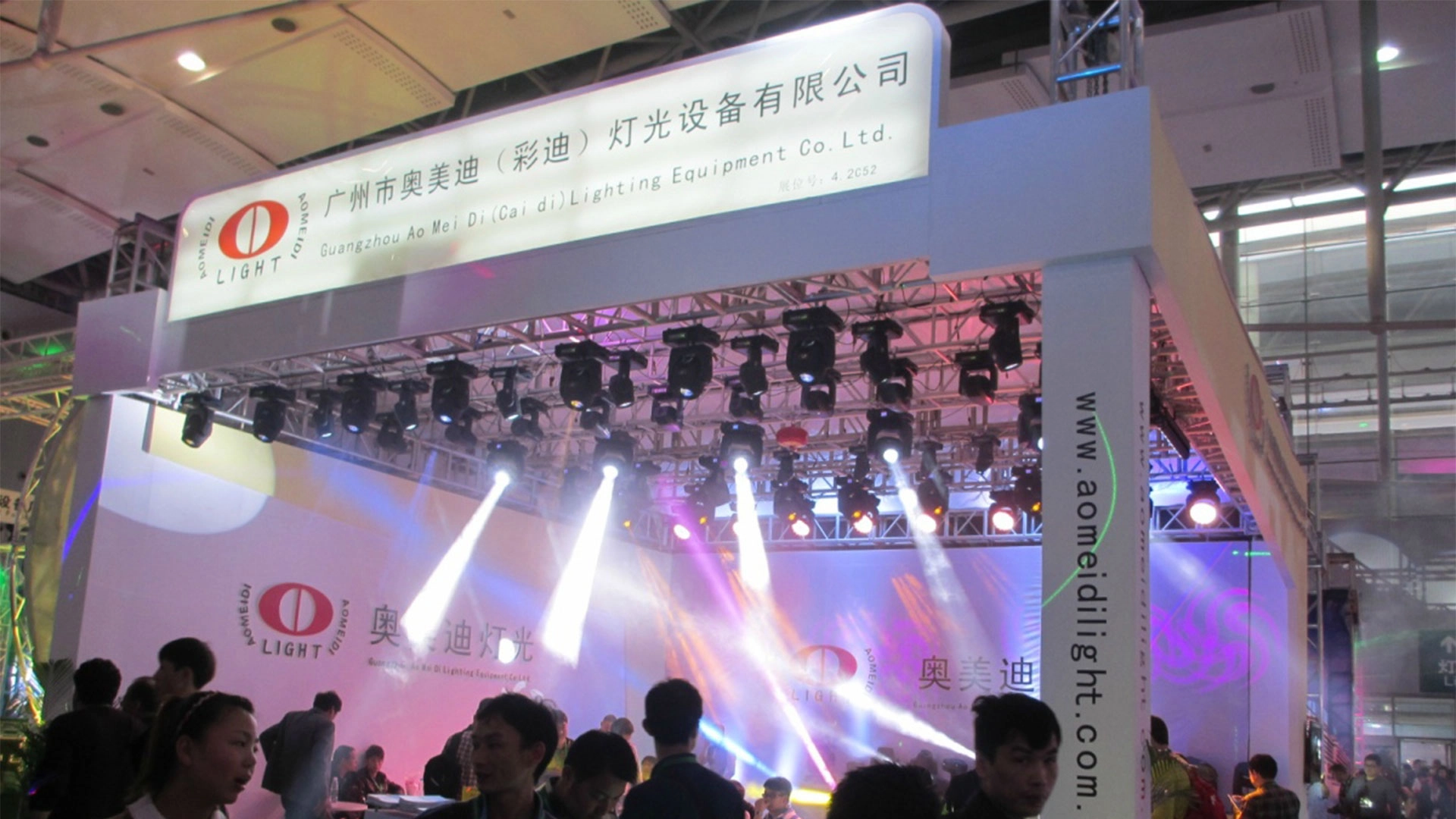
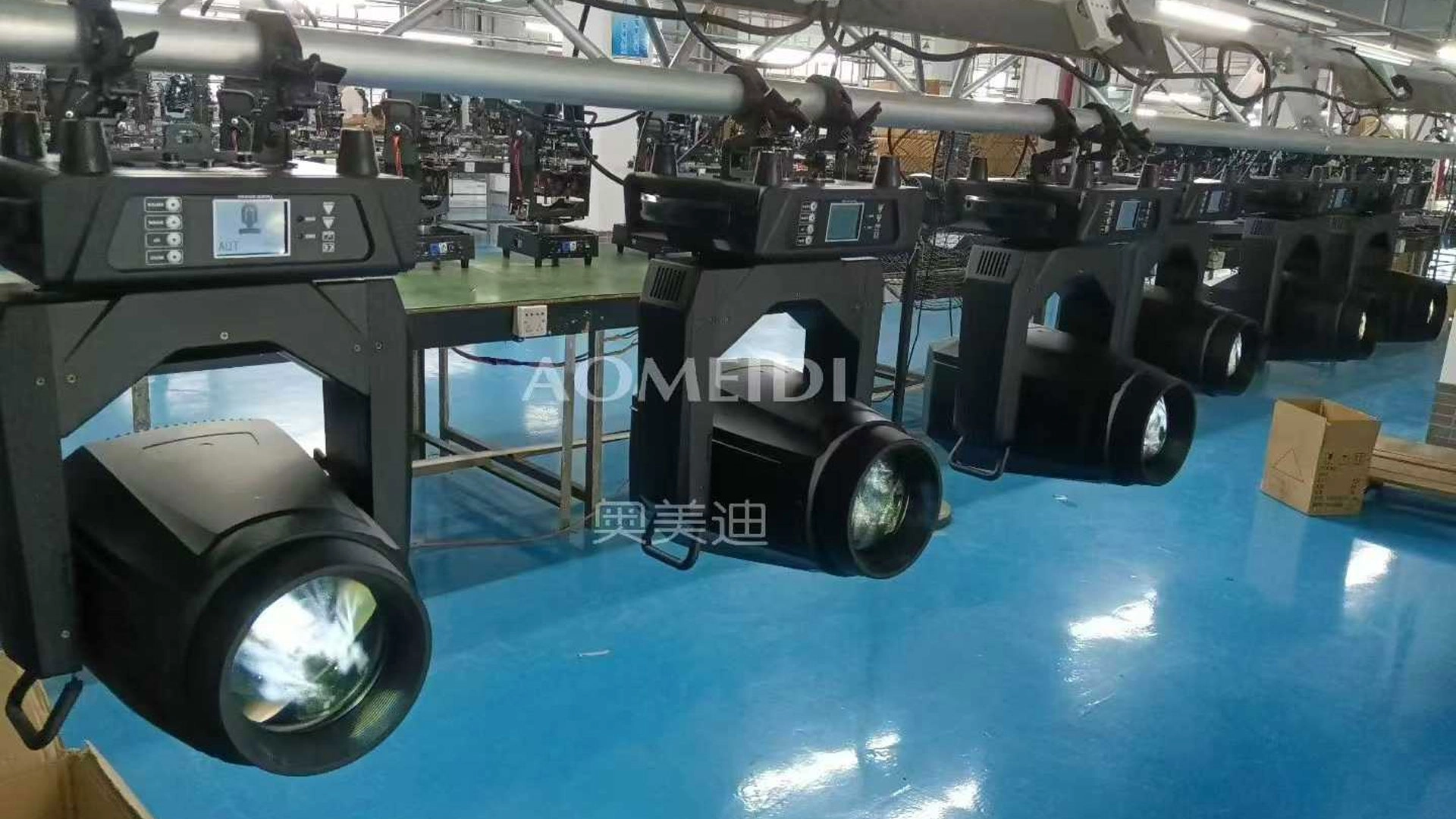
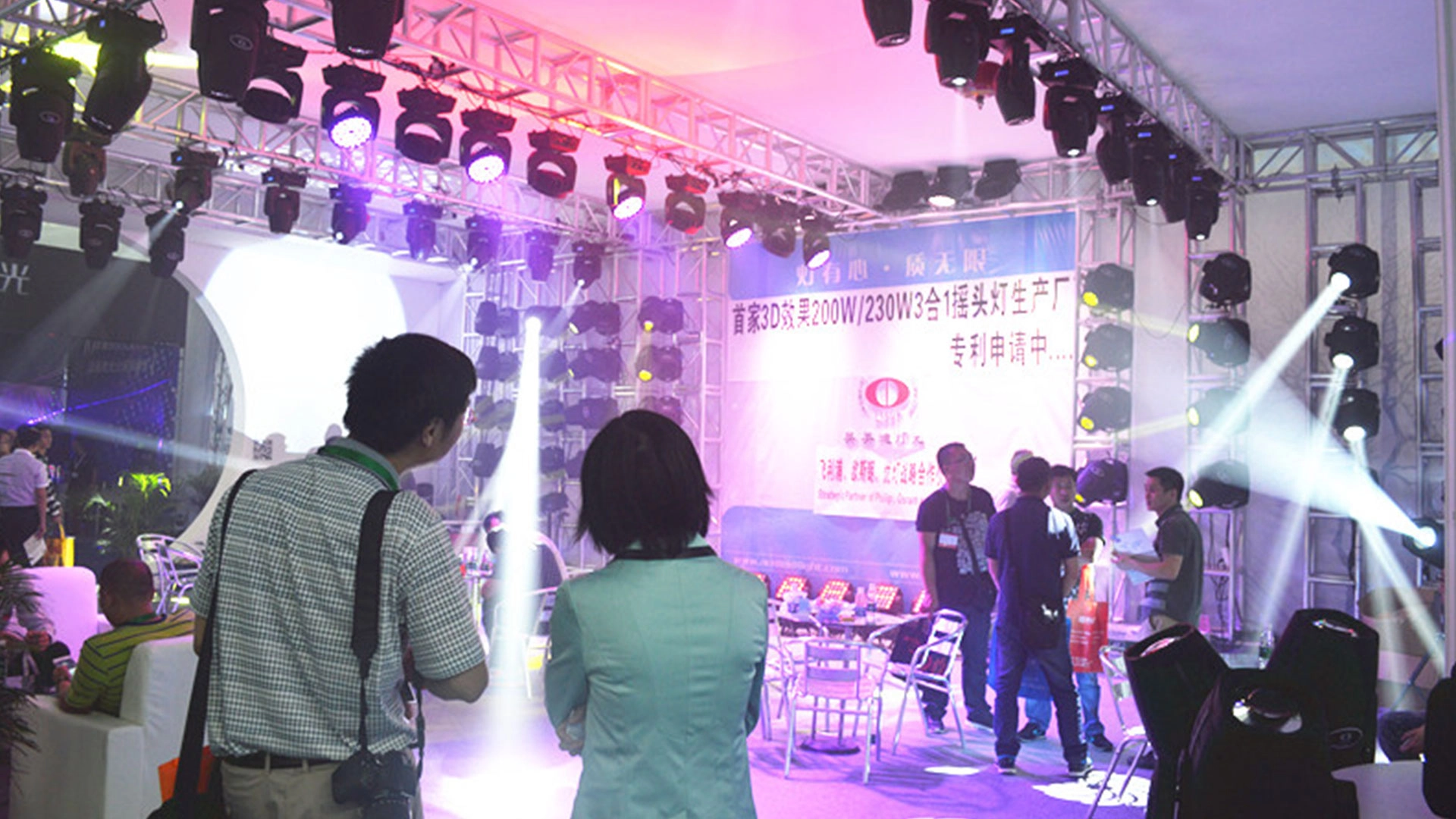
AOMEIDI is a leading manufacturer specializing in high-quality LED stage lighting solutions. The brand is renowned for its commitment to energy efficiency, durability, and innovative design. AOMEIDI's products are engineered to deliver superior performance while minimizing environmental impact, making them a preferred choice for venues seeking reliable and sustainable lighting solutions.
Related products
Our Blog
Have questions about what you just read?
Our lighting specialists can provide deeper analysis, product suggestions, and project-ready solutions based on your needs.
Rest assured that your privacy is important to us, and all information provided will be handled with the utmost confidentiality.
By clicking "Send Inquiry Now," I agree to your processing my personal data.
To see how to withdraw your consent, how to control your personal data, and how we process it, please see our Privacy Policy and Terms of Use.
 Scan QR Code